
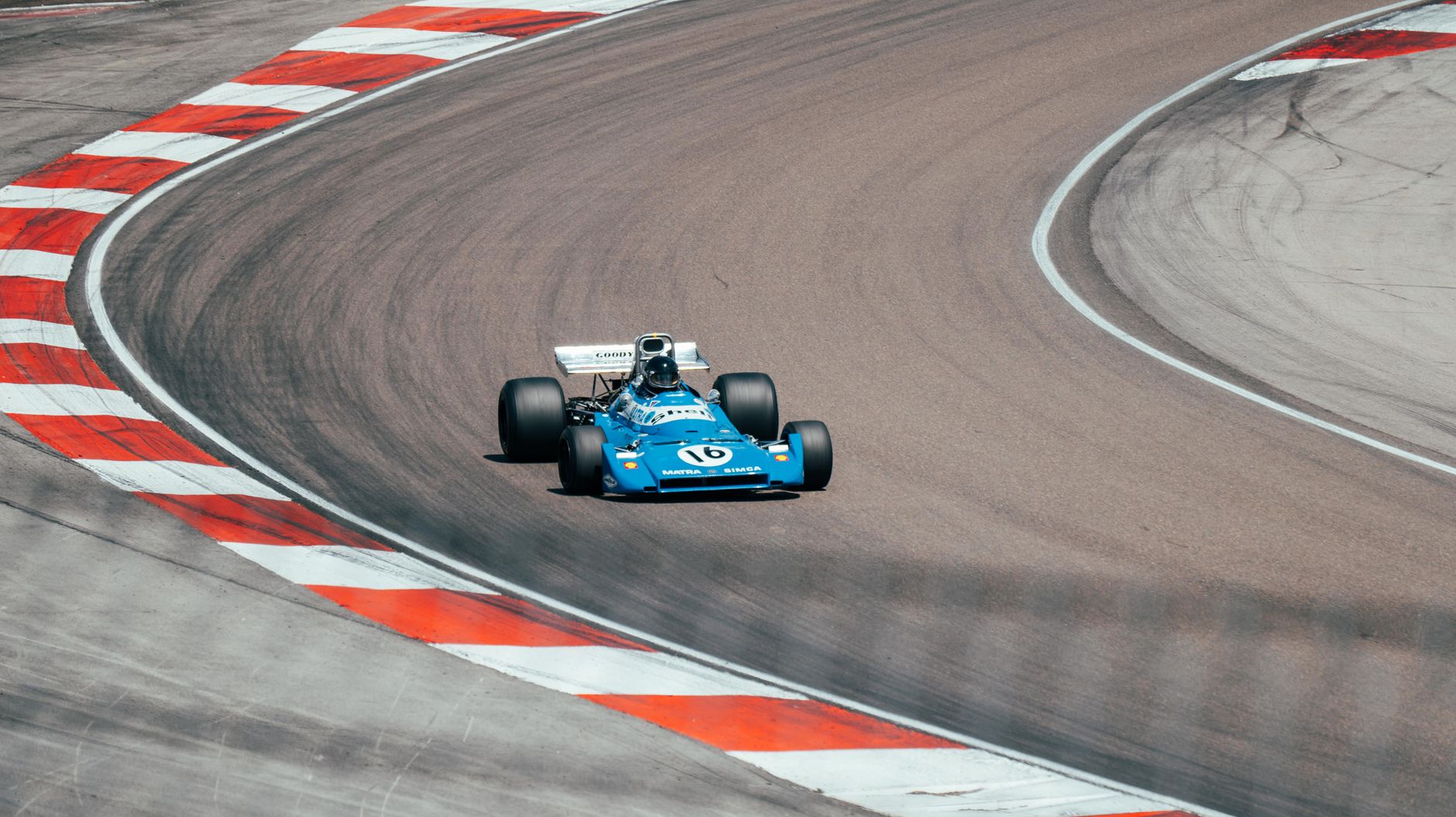
Formula One shorter races are coming in 2027 due to a new ‘hard stop’ rule. This change aims to enhance the racing experience and improve viewer engagement.
Overview of the new hard stop rule
The Formula One governing body has announced a significant change for the 2027 season, introducing a new ‘hard stop’ rule aimed at shortening race durations. This rule has been met with mixed reactions from fans and teams alike.
Under the new regulations, races will be capped at a set time limit, regardless of the number of laps completed. This means that teams will need to strategize differently, focusing on speed and efficiency to maximize points within the allocated time.
Supporters of shorter races argue that this change will enhance the excitement and competitiveness of the sport. They believe that the introduction of shorter races will attract a broader audience, catering to the modern viewer’s preference for faster-paced entertainment.
However, some traditionalists express concern that the essence of Formula One may be compromised by this shift. As the debate continues, the impact of the new rule remains to be seen.
Impact of shorter races on fans
The introduction of Formula One shorter races has sparked a lively discussion among fans and experts alike. Many believe that this change will significantly enhance the viewing experience, making races more engaging and accessible.
Fans have expressed a variety of opinions on the impact of shorter races:
- Increased excitement: Shorter races may lead to more intense competition, as drivers will have less time to strategize and more pressure to perform.
- Attracting new audiences: The prospect of quick, thrilling races could draw in casual viewers who might find traditional race lengths daunting.
- Improved engagement: With a quicker pace, fans might be more likely to stay engaged throughout the event, reducing the risk of losing interest during long stretches.
Ultimately, the shift towards Formula One shorter races could redefine the sport’s dynamic, creating a fresh and exhilarating experience for both new and long-time fans.
Legal implications of the new regulations
The introduction of shorter races in Formula One raises several legal implications that teams and organizers must navigate. One primary concern is ensuring compliance with existing regulations while adapting to the new format. The shorter races could necessitate amendments to contractual agreements with sponsors and broadcasters, who may have to adjust their expectations regarding race duration and coverage.
Additionally, teams may face challenges related to the distribution of points. The new regulations will require a re-evaluation of how points are awarded, particularly if races are curtailed due to weather or other unforeseen circumstances. This poses potential legal disputes over the fairness and consistency of results.
Moreover, the implementation of the hard stop rule may lead to questions about liability in the event of accidents occurring in the shorter race format. As Formula One navigates these complexities, stakeholders must work collaboratively to ensure that the transition to shorter races is both smooth and legally sound.
Comparison with other motorsport formats
The introduction of shorter races in Formula One has sparked a significant debate, especially when compared to other motorsport formats. Many fans are curious about how this change will impact the essence of racing.
In comparison, NASCAR events often feature shorter race lengths, which keep the excitement high and the audience engaged. Fans appreciate the quick pace and the constant action, which some believe could be a model for Formula One shorter races.
Additionally, rally racing consists of timed stages that are generally shorter, allowing for a variety of challenges and strategies in a condensed format. This method emphasizes speed and skill without the lengthy durations typical of traditional races.
As Formula One looks to adopt a similar approach, it will be interesting to see if this shift enhances the overall viewing experience while maintaining the sport’s prestigious heritage.
Future of Formula One racing
The future of Formula One racing is poised for a significant transformation with the introduction of shorter races. This change is anticipated to enhance the overall viewing experience, making races more dynamic and engaging for fans. The new regulations aim to streamline the format, creating a thrilling atmosphere that resonates with a broader audience.
As teams adapt to the new guidelines, the focus will shift towards strategic planning and quicker decision-making during races. The potential for unexpected twists and turns could lead to more exciting finishes and increased competitiveness among teams.
However, the impact of shorter races extends beyond the track. It raises questions about the traditional essence of Formula One and how fans will embrace this evolution. While purists may express concern, the adaptation could attract a new generation of enthusiasts, ensuring the sport remains vibrant and relevant in the ever-changing landscape of motorsports.
- Strategic planning becomes crucial
- Increased competitiveness among teams
- Potential for thrilling finishes
Many fans are divided on the impact of Formula One shorter races, as they introduce a new level of excitement and strategy. However, the question remains: are Formula One shorter races truly the best change ever for the sport?
Photo by Adrien Gambet on Pexels