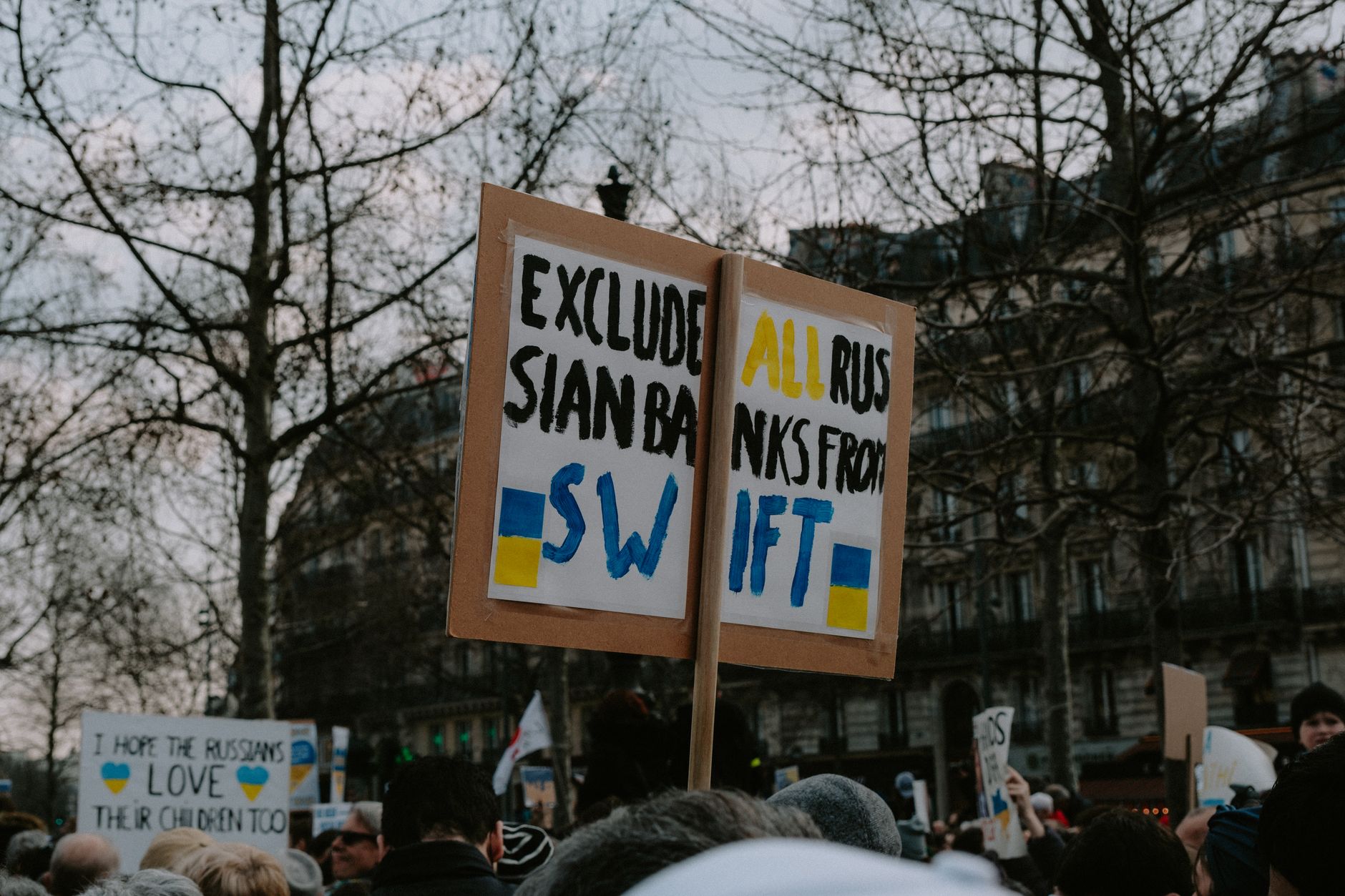
The Russia-linked sanctions impact discussions have become crucial for India. EAM Jaishankar and Senator Rubio recently delved into how these sanctions affect India’s geopolitical landscape.
Overview of Russia-linked sanctions
The ongoing Russia-linked sanctions have created a complex web of implications for countries around the globe, particularly India. As discussions unfold between leaders like EAM Jaishankar and Senator Marco Rubio, the focus remains on understanding the real effects of these sanctions.
India, maintaining a historically neutral stance, faces a unique challenge as it navigates its relationships with both Western nations and Russia. The sanctions have led to several key issues:
- Trade Disruptions: Restrictions on Russian goods have altered supply chains, affecting various sectors.
- Energy Prices: Sanctions have contributed to rising energy costs, impacting economic stability.
- Diplomatic Tensions: India’s ties with Russia may be tested as it balances its international relations.
Moreover, the sanctions have prompted discussions on the need for India to diversify its energy sources and enhance domestic production capabilities. As the global landscape continues to shift, the long-term impact of these Russia-linked sanctions remains to be seen.
EAM Jaishankar’s perspective
In a recent discussion, External Affairs Minister (EAM) S. Jaishankar shared his insights on the Russia-linked sanctions impact on India. He emphasized that the geopolitical landscape has shifted significantly, forcing nations to navigate complex challenges stemming from these sanctions.
Jaishankar highlighted several key points:
- Economic Consequences: The sanctions have disrupted trade routes and increased costs for various sectors including energy and defense.
- Diplomatic Relations: Countries are reevaluating their alliances, with some nations experiencing tension as they respond to the sanctions.
- Strategic Autonomy: India seeks to maintain its independence in foreign policy, balancing relations with both the West and Russia.
- Long-term Implications: The minister warned that the sanctions could lead to a reconfiguration of global supply chains, impacting economic stability.
Jaishankar’s remarks underscore the necessity for India to adapt to this evolving scenario while safeguarding its national interests in a rapidly changing world.
Senator Rubio’s insights
In a recent discussion, Senator Marco Rubio emphasized the profound implications of Russia-linked sanctions on global economies, particularly focusing on their impact on India. He noted that while these sanctions were aimed at penalizing Russia, the ripple effects are felt across various nations, including those with significant economic ties to Moscow.
Rubio highlighted several key areas of concern:
- Energy Prices: The sanctions have led to increased volatility in global energy markets, which affects the cost of fuel and electricity in India.
- Trade Relationships: As countries navigate the complex landscape of sanctions, India may face challenges in maintaining its trade relations with both Russia and Western nations.
- Geopolitical Tensions: The shifting alliances resulting from these sanctions could alter India’s strategic positioning in international affairs.
According to Rubio, the real effect of the Russia-linked sanctions extends beyond immediate economic impacts, potentially reshaping diplomatic ties and influencing future trade routes. As countries adapt to these changes, India must carefully consider its next steps to mitigate any adverse consequences.
Economic implications for India
The economic implications for India in light of the Russia-linked sanctions are complex and multifaceted. As the global landscape shifts, India finds itself navigating a challenging environment influenced by these sanctions.
One immediate concern is the impact on energy prices. India, which relies heavily on imports for its energy needs, has seen fluctuations in oil prices as a result of the sanctions imposed on Russia. This has led to increased costs for consumers and businesses alike.
Additionally, trade relations between India and Russia may experience strain. Key sectors such as defense and pharmaceuticals could be affected as India seeks to maintain its partnerships while adhering to international norms.
Despite these challenges, some experts argue that India could leverage this situation to diversify its trade relationships. By enhancing ties with alternative suppliers, India might mitigate the adverse effects of Russia-linked sanctions.
In conclusion, while the sanctions pose significant hurdles, they also present opportunities for India to reassess and strengthen its economic strategies in a rapidly changing global context.
Geopolitical challenges ahead
The ongoing geopolitical landscape is increasingly influenced by the Russia-linked sanctions impact, presenting significant challenges for nations navigating these turbulent waters. As countries align themselves with either side of the conflict, the ramifications of these sanctions extend beyond mere economic measures, affecting diplomatic relations and regional stability.
Key challenges include:
- Shifts in alliances: Countries may find themselves re-evaluating their partnerships based on their stance towards Russia, which can lead to unexpected coalitions.
- Energy security: Sanctions have disrupted traditional energy supply chains, compelling nations to seek alternative sources while balancing their domestic energy needs.
- Military posturing: Increased tensions may lead to heightened military readiness among nations wary of potential conflicts arising from these sanctions.
- Trade disruptions: The sanctions have resulted in significant trade barriers, complicating imports and exports for several countries, including India.
As the situation evolves, the long-term implications of these geopolitical challenges will require careful consideration and strategic planning by affected nations.
Responses from Indian policymakers
In light of the ongoing Russia-linked sanctions impact, Indian policymakers have been vocal about the challenges and opportunities presented by the current geopolitical climate. They emphasize the need for a balanced approach to maintain India’s strategic interests while navigating international pressures.
Several key responses emerged from discussions among government officials:
- Strategic Autonomy: Policymakers stress the importance of preserving India’s strategic autonomy. They believe that avoiding alignment with any single bloc is crucial for the nation’s long-term interests.
- Diversification of Trade: There is a focus on diversifying trade partners to mitigate risks associated with the sanctions. Officials are exploring collaborations with nations unaffected by the sanctions.
- Energy Security: Given India’s reliance on energy imports, discussions revolve around securing stable energy supplies, including potential partnerships with Russia that bypass sanction-related hurdles.
- Domestic Resilience: Additionally, there is a call for enhancing domestic industries to reduce dependence on foreign technology and goods impacted by sanctions.
Overall, Indian policymakers are adapting strategies to address the multifaceted challenges posed by the Russia-linked sanctions impact.
Future of India-Russia relations
The future of India-Russia relations is under scrutiny as the ramifications of Russia-linked sanctions continue to unfold. Both nations have historically maintained a strong partnership, but recent geopolitical shifts present new challenges.
Indian officials are keenly aware of the sanctions’ impact on their diplomatic ties and economic cooperation. During discussions, EAM Jaishankar emphasized the importance of a balanced approach to maintain India’s strategic interests. He noted that, despite the pressures from Western nations, India seeks to preserve its long-standing relationship with Russia.
Furthermore, experts predict that the evolving scenario may prompt India to diversify its defense procurement and energy needs. This shift could lead to increased collaborations with other nations while still upholding ties with Moscow.
However, the complexity of global politics means that any recalibration of relations will require careful navigation. Stakeholders are encouraged to assess both the short-term and long-term consequences of the sanctions, ensuring that India’s sovereignty and economic stability remain intact amidst these changes.
The Russia-linked sanctions impact has been felt across various sectors, leading to significant economic shifts both domestically and internationally. Analysts are now assessing the long-term consequences of these measures on global trade and energy markets, as the Russia-linked sanctions impact continues to unfold.
Photo by Margerretta on Pexels
Where this came from
Erasmus+ entry rules: What are the best changes for 2023? · India Russia sanctions law: What Are the Real Concerns? · Anti-defection law: The Worst Reinvention of Horse-Trading