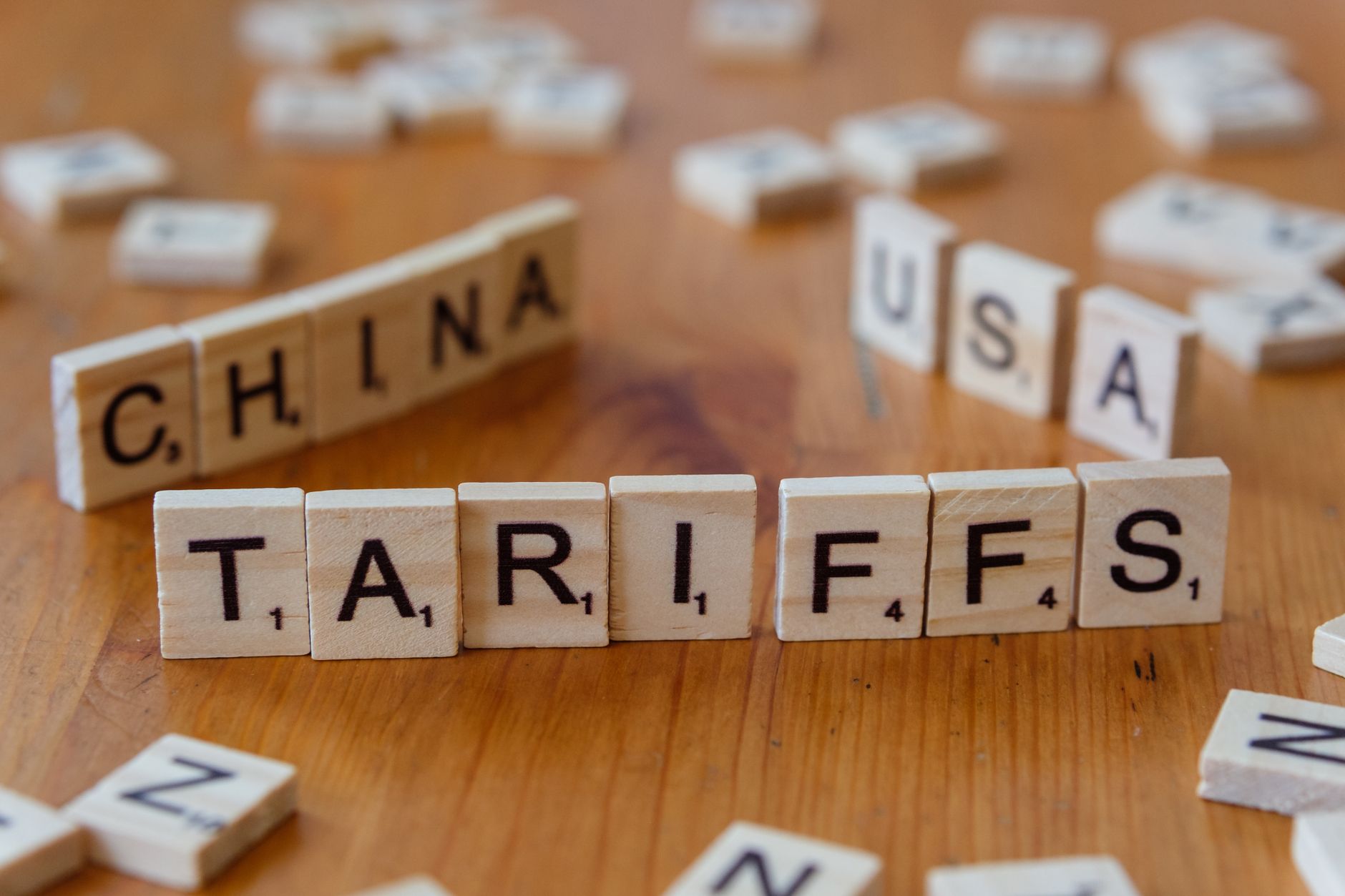

The U.S. tariff threat is raising concerns for India’s Russian oil imports as trade discussions continue. This new law could significantly impact the bilateral trade relationship.
Understanding the U.S. Tariff Threat
The recent developments regarding the U.S. tariff threat have raised significant concerns for India’s oil trade, particularly in relation to its imports from Russia. As tensions between the U.S. and Russia escalate, new legislation has been introduced that could potentially impose tariffs on countries that engage in oil trade with Russia, impacting India’s economic landscape.
Trade officials in India are closely monitoring these changes as they navigate the complex relationship with both the U.S. and Russia. The implications of the U.S. tariff threat could reverberate throughout the Indian economy, especially in the energy sector. India has been purchasing Russian oil at discounted rates, which has helped to stabilize its energy needs amid global price fluctuations.
However, if the U.S. follows through on its tariff threats, the costs of importing Russian oil may increase significantly. This situation could lead to:
- Increased oil prices: Rising costs could burden consumers and industries reliant on affordable energy.
- Supply chain disruptions: Tariffs could complicate logistics and sourcing strategies for Indian refineries.
- Strained diplomatic relations: Navigating U.S. demands while maintaining ties with Russia could prove challenging.
Therefore, the U.S. tariff threat represents a crucial point of contention that requires careful consideration and strategic planning from Indian policymakers.
Impact on India’s Oil Imports
The recent U.S. tariff threat poses significant implications for India’s oil imports, particularly amid rising geopolitical tensions and fluctuating global oil prices. As India seeks to diversify its energy sources, reliance on Russian oil has become increasingly contentious, especially with new trade regulations being implemented by the United States.
Analysts suggest that the U.S. government’s actions could lead to the following consequences for India’s oil sector:
- Increased Costs: If tariffs are imposed, the cost of importing Russian oil could rise, impacting the overall pricing structure of crude oil in India.
- Supply Chain Disruptions: Tariffs may result in logistical challenges, complicating the supply chain for refineries that depend on a steady influx of Russian oil.
- Market Volatility: The uncertainty surrounding these tariffs could lead to fluctuations in oil prices, affecting both consumers and businesses reliant on stable energy costs.
- Geopolitical Strain: Strained relations with the U.S. may hinder future trade negotiations, impacting other sectors beyond oil.
India’s government must navigate these challenges carefully while considering alternative oil suppliers and enhancing domestic energy production capabilities to mitigate the risks posed by the U.S. tariff threat.
Trade Talks: Current Status
As the discussions between the U.S. and India progress, the looming U.S. tariff threat continues to cast a shadow over trade relations. Both nations are engaged in ongoing negotiations aimed at resolving various trade issues, with a particular focus on India’s oil imports from Russia. The recent revival of tariff discussions under U.S. law has heightened concerns among Indian policymakers and industry stakeholders.
Current talks are centered around the implications of potential tariffs on oil imports, which could significantly disrupt India’s energy supply chain. Officials from both countries have expressed the need for a mutual understanding to address these concerns effectively. Key points under discussion include:
- The impact of tariffs on the pricing of oil and its subsequent effects on the Indian economy.
- India’s stance on its energy security and its ongoing partnership with Russia.
- Potential pathways for a diplomatic resolution that avoids the imposition of tariffs.
Despite the ongoing discussions, uncertainties remain. The Indian government is closely monitoring the situation, as any decisions made could have far-reaching consequences for its oil trade and overall economic stability. As both sides negotiate, the threat of tariffs looms large, making it crucial for India to navigate this complex landscape.
Legal Ramifications of New U.S. Law
The introduction of the new U.S. law has raised significant legal ramifications for India’s oil trade, particularly amidst the ongoing tariff threat. As the U.S. continues to impose restrictions on Russian oil, India faces a complex legal landscape that may affect its ability to navigate international markets.
Key legal implications include:
- Compliance with Sanctions: India’s oil companies must ensure compliance with U.S. sanctions, which could lead to hefty penalties if violated. This necessitates a thorough understanding of the legal framework surrounding Russian oil imports.
- Trade Agreements: Existing trade agreements may come under scrutiny, potentially leading to renegotiations. The tariff threat could prompt India to reassess its oil sourcing strategies and seek alternative suppliers.
- Litigation Risks: Companies involved in oil trade could face litigation risks if they are found to be in violation of U.S. laws. This may lead to costly legal battles that could disrupt operations and trade flows.
- Diplomatic Relations: The legal ramifications extend beyond trade, affecting India’s diplomatic relations with both the U.S. and Russia. Navigating these relationships will require careful legal and diplomatic strategies.
In summary, the U.S. tariff threat introduces a new layer of complexity to India’s oil trade, demanding vigilance and strategic planning from industry stakeholders.
India’s Response to Tariff Threats
In response to the U.S. tariff threat, India has taken several measures to safeguard its oil trade and maintain economic stability. Indian officials are actively engaging in diplomatic discussions to address concerns raised by the recent U.S. legislation targeting oil imports, particularly those from Russia.
To mitigate the potential impact of tariffs, India is considering diversifying its oil import sources. This strategy includes:
- Exploring partnerships with other oil-producing nations to reduce dependency on Russian oil.
- Increasing domestic oil production to meet local demand.
- Investing in renewable energy sources to lessen reliance on imported oil in the long run.
Furthermore, Indian authorities have expressed their intent to strengthen trade relations with other countries, emphasizing the need for a balanced and fair trade environment. The Indian government is also working on legal frameworks to protect its interests in international trade, particularly against unilateral tariff threats.
As negotiations between the U.S. and India continue, the focus remains on finding a resolution that addresses the tariff issue while ensuring the stability of India’s oil imports. The outcome of these discussions will be critical in shaping the future of India’s oil trade amidst the looming U.S. tariff threat.
Future of U.S.-India Trade Relations
The future of U.S.-India trade relations appears uncertain as the U.S. tariff threat looms over India’s oil trade. This situation is compounded by geopolitical tensions and the evolving global energy landscape. As both nations navigate these complexities, several factors will play a critical role in shaping their economic partnership.
Firstly, India’s reliance on oil imports from Russia poses significant challenges. The U.S. government has been vocal about its displeasure regarding this trade, leading to fears of increased tariffs that could disrupt India’s energy supply chain. The potential for retaliatory measures could also create a tense atmosphere for future negotiations.
Secondly, the ongoing trade talks may offer a pathway to de-escalate tensions, but the outcome remains uncertain. The two nations must balance their economic interests with their strategic objectives. India is keen on diversifying its energy sources, but the U.S. tariff threat complicates these efforts.
Additionally, both countries need to address broader trade issues beyond oil imports. Key sectors such as technology, pharmaceuticals, and agriculture could also be impacted by the tariff threat, influencing overall trade dynamics.
In conclusion, the future of U.S.-India trade relations hinges on diplomatic engagements and the ability to find common ground amidst rising tensions over tariffs and oil imports.
Expert Opinions on Oil Trade
Experts are increasingly concerned about the implications of the U.S. tariff threat on India’s oil trade, particularly in light of recent developments regarding Russian oil imports. Analysts warn that new tariffs could significantly disrupt existing trade patterns and escalate costs for Indian refiners.
Dr. Anjali Kumar, a senior economist, emphasizes the potential economic fallout: “The U.S. tariff threat could lead to higher prices for oil, which would ultimately affect consumers and businesses in India. The ramifications extend beyond oil, impacting sectors reliant on energy.”
Another expert, Rajesh Mehta, a trade policy analyst, notes the geopolitical complexities: “India’s reliance on Russian oil has drawn scrutiny from the U.S. The introduction of tariffs could force India to reassess its energy partnerships and seek alternative sources, possibly leading to increased volatility in global oil markets.”
Moreover, Lisa Chen, a foreign relations specialist, highlights the importance of swift diplomacy: “To mitigate the adverse effects of the U.S. tariff threat, India must engage in proactive dialogue with the U.S. to secure favorable terms that protect its energy interests while navigating the geopolitical landscape.”
Overall, experts agree that the evolving situation demands close monitoring, as India’s oil trade faces unprecedented challenges amid shifting international relations.
Conclusion: Navigating Trade Challenges
As the U.S. tariff threat looms over India’s oil trade, navigating these turbulent waters has become increasingly complex for Indian policymakers. The implications of the new U.S. law, which revives the potential for tariffs on India’s imports of Russian oil, could significantly alter the dynamics of international trade. It not only affects the pricing and availability of oil but also poses broader risks to India’s energy security and economic stability.
India, heavily reliant on oil imports, must strategize effectively to mitigate the impacts of these tariffs. Key considerations include:
- Diversification of Sources: Seeking alternative suppliers to reduce reliance on Russian oil.
- Strengthening Diplomatic Ties: Enhancing relations with countries to secure favorable trade agreements.
- Domestic Production: Investing in domestic energy production and renewable sources to lower import dependency.
Furthermore, continuous engagement in trade talks with the U.S. is essential to find common ground and prevent escalation of tariff threats. The future of U.S.-India trade relations hinges on the ability to address these challenges while fostering a collaborative environment. In conclusion, the potential ramifications of the U.S. tariff threat necessitate proactive measures to safeguard India’s oil trade and ensure sustainable economic growth.
By Ron Cogswell via Openverse
Where this came from
Fuel Economy Target: Worst Changes to 2031 Regulations · UCI bicycle design rules: A Smart Change for Cyclists · Is Muslim Personal Law the Wrong Shield for Minors?