Dubai villa rules have sparked interest among homeowners wondering if they can build a second home on their plot. This new regulation could change the landscape of property ownership in the city.
Understanding Dubai’s Villa Regulations
Dubai has recently updated its villa regulations, prompting many residents to consider building a second home on their property. Understanding Dubai’s villa rules is essential for those looking to expand their living space legally and efficiently.
The key points regarding the new regulations include:
- Plot Size Requirements: Homeowners must ensure their plots meet the minimum size requirements set by local authorities to qualify for additional construction.
- Design Approvals: Proposed designs for new villas must be submitted and approved by the Municipality to ensure they comply with aesthetic and safety standards.
- Setback Regulations: Homeowners are required to maintain specific setbacks from property boundaries, which may vary depending on the area.
- Building Height Restrictions: There are limitations on the height of new constructions to maintain the neighborhood’s character and to comply with local zoning laws.
- Environmental Considerations: New villa projects must consider environmental impact assessments to protect local wildlife and ecosystems.
Before embarking on such a project, residents should consult with local authorities and possibly seek the guidance of professionals familiar with Dubai villa rules. This ensures that all aspects of compliance are met, minimizing the risk of delays or penalties during the construction process.
What the New Rules Mean for Homeowners
The recent updates to the Dubai villa rules have significant implications for homeowners considering expanding their living spaces. These regulations aim to streamline the construction process while ensuring that new developments align with the city’s urban planning goals.
Homeowners can benefit in various ways, including:
- Increased Flexibility: The new rules allow for a broader range of architectural styles and designs, enabling homeowners to create personalized spaces that reflect their tastes.
- Improved Compliance: With clearer guidelines, homeowners can more easily navigate the legal requirements, potentially reducing the time and resources spent on obtaining permits.
- Enhanced Property Value: By adhering to the updated regulations, homeowners can enhance the appeal of their properties, potentially increasing their market value.
However, it is crucial for homeowners to thoroughly understand the specifics of the new rules before embarking on any construction projects. This includes familiarizing themselves with zoning laws, building heights, and other restrictions that could affect their plans. Ignoring these regulations can lead to costly penalties or project delays.
Ultimately, these changes reflect Dubai’s commitment to sustainable and organized urban development, providing homeowners a structured framework to build their second home while ensuring community harmony.
Steps to Comply with Villa Regulations
Complying with Dubai villa rules is essential for homeowners planning to build a second home on their property. The process involves several key steps that should be followed diligently to ensure adherence to local regulations.
- Research Local Regulations: Begin by familiarizing yourself with the specific villa regulations set by the Dubai Land Department and the municipality. Understanding zoning laws, building codes, and permitted uses is crucial.
- Consult with Professionals: Engage with architects and legal advisors experienced in Dubai’s real estate laws. Their expertise can help navigate the complexities of villa regulations effectively.
- Prepare Necessary Documents: Gather all required documentation, including property title deeds, architectural plans, and any other permits that may be needed for your project.
- Submit Application: Once all documents are ready, submit your application to the relevant authorities for approval. Ensure that your plans comply with the stipulated villa rules to avoid delays.
- Follow Construction Guidelines: If approved, adhere strictly to the construction guidelines provided. Regular inspections will likely occur, so maintaining compliance throughout the building process is vital.
- Obtain Final Approval: After the construction is complete, secure final approvals from the authorities to ensure that your new villa meets all local standards.
By following these steps, homeowners can successfully navigate the complexities of building a second home in accordance with Dubai villa rules.
Benefits of Building a Second Home
Building a second home in Dubai can offer numerous advantages, especially in light of the recent updates to the Dubai villa rules. Homeowners are now presented with an opportunity to enhance their property value and lifestyle. Here are some key benefits:
- Increased Property Value: Constructing a second villa can significantly boost the overall value of your real estate. A well-planned addition can attract potential buyers and increase resale potential.
- Rental Income: A second home can serve as a lucrative investment by generating rental income. With Dubai’s thriving tourism sector, short-term rentals can be particularly profitable.
- Family Retreat: A second home provides a space for family gatherings and vacations. It can serve as a personal sanctuary where loved ones can create lasting memories.
- Flexibility and Customization: The new villa rules offer homeowners the freedom to design their second home according to personal preferences, ensuring it meets specific lifestyle needs.
- Enhanced Lifestyle: With a second villa, residents can enjoy additional amenities and outdoor spaces, contributing to an improved quality of life.
Understanding the benefits of building a second home under the Dubai villa rules not only empowers homeowners but also encourages strategic investments in the ever-evolving real estate market.
Common Misconceptions About Villa Rules
As homeowners consider their options for building a second home in Dubai, several common misconceptions about Dubai villa rules can lead to confusion and mistakes. Addressing these myths is crucial for anyone looking to expand their property portfolio.
- Myth 1: You can build any type of villa you desire.
- Myth 2: All areas are eligible for a second home.
- Myth 3: The approval process is quick and easy.
- Myth 4: Villa rules are the same for everyone.
Many individuals believe that once they own a plot, they have complete freedom to design their villa. In reality, Dubai villa rules stipulate specific design guidelines that must be followed to maintain the aesthetic harmony of the neighborhood.
Another misconception is that every plot in Dubai can accommodate a second home. However, local regulations dictate that not all areas permit additional constructions, particularly in established residential communities.
Many aspiring homeowners assume that permits will be granted swiftly. In truth, navigating the approval process can be complex, requiring adherence to numerous regulations and potentially lengthy reviews by local authorities.
Lastly, it is a common belief that all property owners are subject to the same set of villa rules. However, regulations can vary significantly based on the location and type of development.
Future of Property Development in Dubai
The future of property development in Dubai is set to transform significantly, especially with the recent updates to Dubai villa rules. As the demand for luxury homes continues to rise, developers and homeowners alike are adapting to new regulations that encourage sustainable and innovative building practices. This evolution not only aims to enhance the aesthetic appeal of the emirate but also to ensure that new constructions align with environmental standards.
One of the most notable changes is the emphasis on eco-friendly designs and materials, which could lead to a more sustainable future for residential properties. Urban planners are increasingly focusing on creating communities that prioritize green spaces, which enhances the overall quality of life for residents.
Additionally, the integration of smart home technologies is becoming a standard requirement, making properties more energy-efficient and convenient for homeowners. These advancements are likely to attract a new wave of investors looking for modern living solutions.
As property developers navigate the updated regulations, there is also a growing trend towards mixed-use developments that combine residential, commercial, and leisure spaces. This approach not only maximizes land use but also fosters a sense of community.
In conclusion, the future of property development in Dubai promises to be both exciting and challenging, as stakeholders adjust to the evolving landscape shaped by Dubai villa rules.
Understanding the Dubai villa rules is essential for anyone looking to invest in a second home in this bustling city. By adhering to these Dubai villa rules, homeowners can ensure their properties meet local regulations and enhance their investment value.
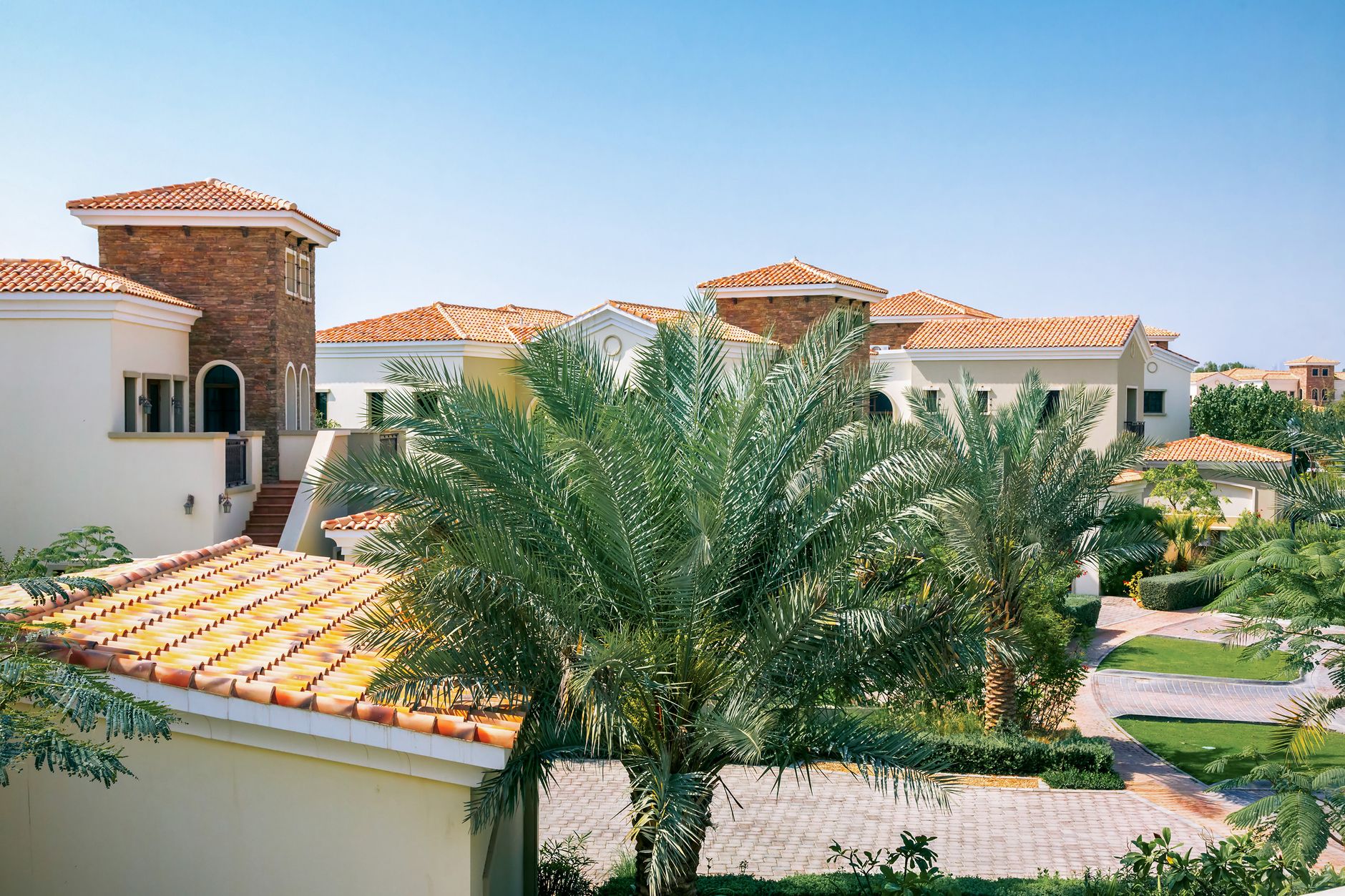
Photo by Ayrat on Pexels