
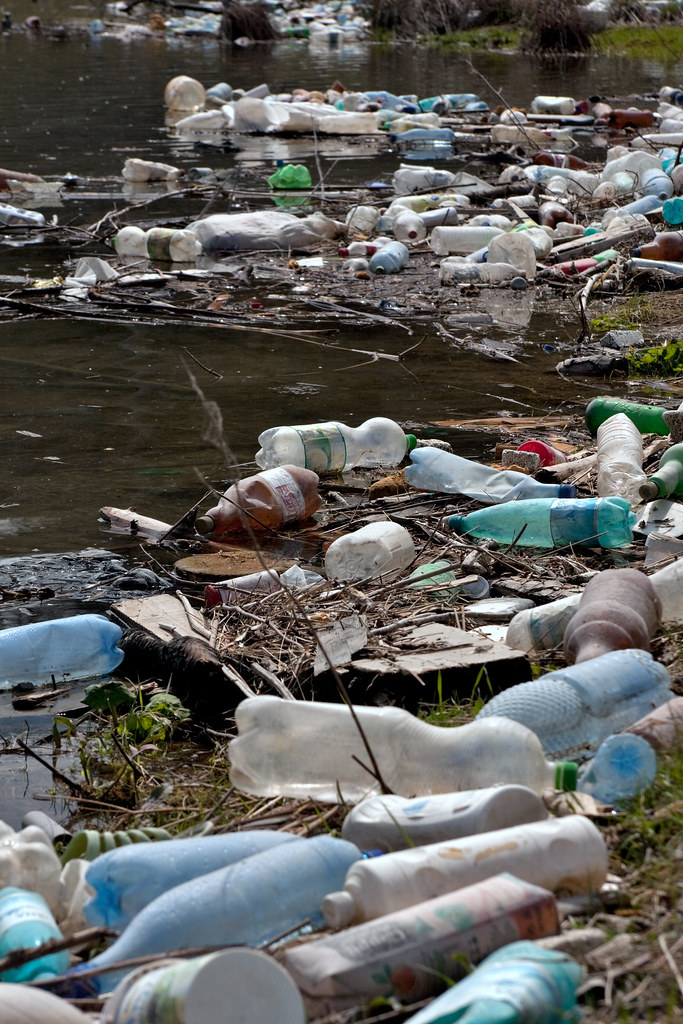
Household items recycling is changing under a new law, with councils no longer required to collect specific items. This shift could impact how residents manage their waste.
Understanding the New Recycling Law
The recent changes in recycling legislation have introduced new guidelines that affect how households manage their waste. Understanding the implications of this new recycling law is crucial for residents looking to participate effectively in household items recycling.
Under the revised regulations, councils are not required to collect certain everyday items that many residents may assume are recyclable. This can lead to confusion and frustration for those trying to reduce their environmental impact. Some of the most common items excluded from collection include:
- Plastic bags – Often not accepted due to contamination issues.
- Polystyrene packaging – Lightweight but not recyclable in most systems.
- Pizza boxes – Food residue makes them unsuitable for recycling.
- Garden waste – Often requires separate collection services.
Residents are encouraged to check local guidelines to ensure they are recycling correctly and to seek alternative disposal methods for items not collected by their councils.
What Household Items Are Affected?
As households strive to comply with the new recycling laws, it’s crucial to understand what items are affected by these changes. Some common household items recycling options have become limited, as councils are not required to collect certain materials. This can lead to confusion about proper disposal methods.
The following items are often excluded from council collection:
- Plastic bags: These can clog recycling machinery and are generally not accepted.
- Polystyrene: Commonly found in packaging, it is difficult to recycle and is often sent to landfill.
- Food containers: Containers that have not been cleaned can contaminate recycling streams.
- Electronics: Many councils require e-waste to be handled separately.
- Textiles: While some councils collect textiles, many do not, leading to confusion.
Understanding these limitations can help residents make better choices when it comes to household items recycling.
Why Councils Don’t Collect These Items
Many councils have specific guidelines regarding what household items recycling they can accept, which can lead to confusion for residents. There are several reasons why certain items are excluded from collection:
- Safety Concerns: Some items may pose hazards to recycling facility workers, such as broken glass or sharp objects.
- Contamination Issues: Items that cannot be properly cleaned, like greasy pizza boxes, can contaminate recyclable materials.
- Cost and Logistics: Collecting and processing certain items can be expensive and complicated, leading councils to limit their collections.
- Lack of Recycling Facilities: Not all councils have access to the technology or facilities needed to recycle specific materials, like certain plastics or electronics.
Understanding these reasons can help residents make informed choices and ensure they are properly recycling their household items.
The Impact on Residents and Communities
The changes in recycling regulations have left many residents feeling frustrated and confused regarding household items recycling. As councils opt not to collect certain items, communities are facing the challenge of managing waste more effectively.
Residents who rely on local services for recycling may find themselves burdened with the responsibility of disposing of these items properly. This can lead to:
- Increased landfill waste: With no collection options available, many will resort to throwing items away.
- Environmental impact: Improper disposal can lead to pollution and harm local ecosystems.
- Financial strain: Some residents may need to pay for alternative disposal methods, raising household costs.
The disconnect between what councils collect and what residents need to recycle can lead to community frustration and a decreased commitment to sustainability efforts.
By Horia Varlan via Openverse
Sources
Related reading
Water Tariff Approval Rules: A Clear Change for 2027 · November Criminal Law Arguments: Clear Insights for 2025-26 · GST Forms Changes: Clear Guide to Recent Amendments