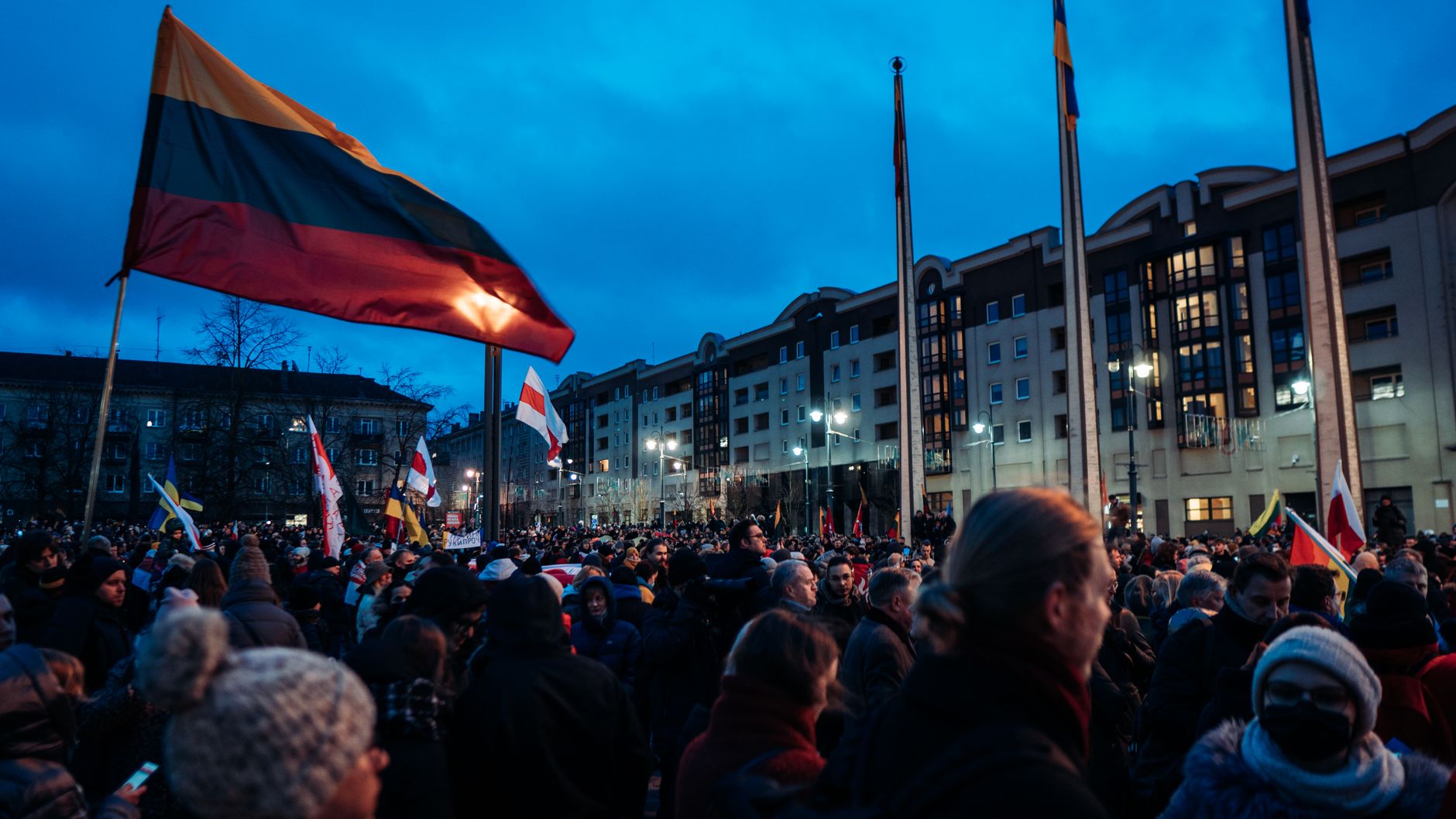
Labour law changes Lithuania are significant and affect many aspects of employment. These updates aim to improve workers’ rights and streamline regulations.
Overview of Labour Law Changes
Recent labour law changes in Lithuania have sparked significant discussions among workers and employers alike. These reforms aim to modernize the workforce, adapting to the evolving economic landscape and ensuring fair working conditions.
Key aspects of the new legislation include:
- Flexible working hours: Employees will have more options to adjust their schedules, promoting a better work-life balance.
- Remote work policies: Enhanced guidelines for telecommuting have been established, offering clarity for both workers and managers.
- Increased maternity and paternity leave: The law now provides extended leave, supporting families during crucial early months.
- Stronger protections against unfair dismissal: Workers will benefit from improved job security.
These labour law changes are designed to empower employees while supporting the needs of businesses in Lithuania.
Key Changes in Employment Regulations
The recent labour law changes in Lithuania have introduced several key modifications aimed at improving workplace conditions. These revisions are vital for both employees and employers, ensuring a balanced approach to employment regulations.
- Increased Minimum Wage: A notable rise in the minimum wage has been implemented, benefiting low-income workers significantly.
- Flexible Working Arrangements: Employees now have greater rights to request flexible working hours, catering to better work-life balance.
- Enhanced Parental Leave: New provisions for parental leave offer more support to families, allowing for extended time off.
- Stricter Anti-Discrimination Measures: The law enforces stricter penalties for workplace discrimination, promoting a more inclusive environment.
These labour law changes in Lithuania are expected to foster a healthier workforce and improve overall job satisfaction among employees.
Impact on Workers’ Rights
The recent labour law changes in Lithuania have significantly impacted workers’ rights across various sectors. Many employees are now expressing concerns regarding job security and benefits. Key shifts include:
- Increased working hours without proportional compensation, leading to potential burnout.
- Modification of overtime regulations that may disadvantage workers who rely on extra pay.
- Changes in contract types that could limit access to essential worker protections.
- Reduction in collective bargaining power, making it challenging for unions to negotiate favorable terms.
As these new regulations take effect, many fear that the erosion of established rights will lead to a more precarious working environment, ultimately affecting job satisfaction and overall morale among the workforce.
Government’s Rationale for Changes
The Lithuanian government has introduced significant labour law changes aimed at modernizing the workforce and enhancing economic competitiveness. Officials argue that these modifications are essential for adapting to the evolving global market and ensuring that Lithuania remains an attractive destination for foreign investment.
Among the primary justifications for these changes are:
- Flexibility: The government believes that increased flexibility in employment contracts will benefit both employers and employees.
- Job Creation: By easing regulations, the government hopes to stimulate job creation in various sectors.
- Worker Protection: Despite concerns, officials assert that the new laws will still provide essential protections for workers’ rights.
These labour law changes in Lithuania reflect a broader trend of reform aimed at balancing economic growth with worker welfare.
Reactions from Labour Unions
Labour unions in Lithuania have expressed strong reactions to the recent labour law changes. They argue that these modifications could undermine workers’ rights and job security. Union representatives emphasize the importance of maintaining a balance between flexibility for employers and protection for employees.
Some key points raised by the unions include:
- Job Security: Unions worry that the changes may lead to increased job instability for workers.
- Working Conditions: Concerns have been voiced regarding the potential deterioration of working conditions.
- Employee Rights: Unions believe that the changes to labour laws in Lithuania may weaken employees’ rights to fair treatment.
In response, union leaders are calling for dialogue with the government to address these issues and ensure that workers’ interests are adequately protected.
Future of Employment in Lithuania
The future of employment in Lithuania is poised for significant transformation as the recent labour law changes begin to take effect. These reforms aim to streamline hiring processes and enhance job flexibility, potentially attracting foreign investment and stimulating economic growth. However, the implications for workers are complex.
Many employees fear that the modifications may lead to diminished job security and reduced benefits, as companies gain more latitude in their operational practices. This shift raises questions about the balance between fostering a business-friendly environment and ensuring adequate protections for workers.
As Lithuania navigates this new landscape, the ongoing dialogue between the government, businesses, and employees will be crucial in shaping a future that supports both economic advancement and workers’ rights.
Concerns remain, but optimism for a balanced approach persists.
How to Stay Informed on Legal Updates
Staying informed about labour law changes in Lithuania is crucial for both employers and employees. Here are some effective ways to keep up-to-date:
- Follow Official Government Websites: Regularly check the Ministry of Social Security and Labour’s website for announcements and updates regarding employment laws.
- Subscribe to Newsletters: Sign up for newsletters from legal firms or labour organizations that provide insights and breakdowns of legal changes.
- Join Professional Associations: Becoming a member of professional groups can offer access to resources, seminars, and discussions related to labour law changes.
- Engage on Social Media: Follow relevant legal experts and organisations on platforms like LinkedIn or Twitter for timely updates and commentary.
By utilizing these resources, individuals can better understand how labour law changes in Lithuania might affect their rights and responsibilities.
The Labour law changes Lithuania have sparked significant discussions among workers regarding their rights and benefits. As employees navigate the new regulations, the Labour law changes Lithuania are expected to reshape the workplace environment in the country.
Photo by Artūras Kokorevas on Pexels
Where this came from
Related stories
Lease with the Right to Buy: Clear Insights on Costs · Blue Tsunami effects: The Real Impact on India’s Future · PWHL rulebook updates: Best clear guidelines for 2026-27