
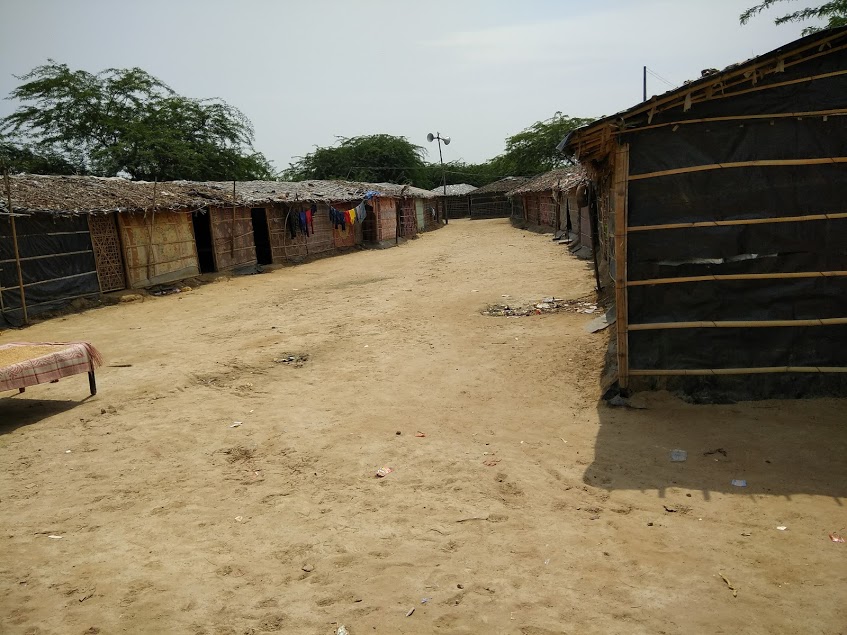
Rohingya refugees India are experiencing renewed hope following the recent ICJ genocide ruling. This landmark decision could pave the way for better legal protections and support for those seeking refuge.
Understanding the ICJ’s Ruling
The recent ruling by the International Court of Justice (ICJ) has sparked renewed hope among Rohingya refugees in India. This landmark decision addresses the ongoing plight of the Rohingya people, who have faced severe persecution in Myanmar. The ICJ’s ruling emphasizes the responsibility of states to protect individuals from genocide and offers a framework for accountability.
The court concluded that Myanmar must take all necessary measures to prevent further acts of genocide against the Rohingya population. This includes ensuring that evidence of such acts is preserved, which is crucial for future legal actions. The ruling is seen as a significant step towards justice for the Rohingya, who have sought refuge in various countries, including India.
In light of this ruling, several points are critical for understanding its implications:
- Legal Precedent: The ICJ has established a clear legal framework for prosecuting genocide.
- Global Attention: The ruling highlights the need for international intervention to protect vulnerable populations.
- Awareness: Increased focus on the Rohingya issue may mobilize humanitarian efforts.
This decision brings a glimmer of hope for Rohingya refugees in India as they continue to seek justice and stability.
Impact of the Ruling on Refugees
The recent ruling by the International Court of Justice (ICJ) has generated significant optimism among Rohingya refugees in India. This landmark decision, which recognized the need for protection against genocide, could pave the way for enhanced legal frameworks to safeguard the rights of these vulnerable communities.
Many Rohingya refugees have faced severe challenges in India, including discrimination, lack of basic services, and uncertainty regarding their legal status. The ICJ’s ruling emphasizes the responsibility of nations to protect those fleeing persecution, potentially influencing India’s approach towards its Rohingya population.
The implications of the ruling could be profound:
- Increased Awareness: The ICJ’s decision may lead to greater awareness of the plight of Rohingya refugees in India, fostering empathy and support from the public and policymakers.
- Legal Protections: There is hope that the ruling could inspire legal reforms that provide better protections for refugees, addressing their immediate needs and long-term rights.
- International Pressure: Countries may feel pressured to adhere to international norms regarding refugee treatment, thus improving conditions for Rohingya refugees in India.
As the global community responds to the ICJ’s ruling, Rohingya refugees in India find renewed hope for a more secure future.
Legal Protections for Rohingya
The recent ruling by the International Court of Justice (ICJ) brings a glimmer of hope for Rohingya refugees in India, emphasizing the need for legal protections that safeguard their rights and well-being. This landmark decision underscores the responsibility of nations to protect those fleeing persecution.
Despite the challenges faced by Rohingya refugees, the ICJ ruling has sparked discussions around potential legal frameworks that can be implemented to offer these individuals better protection. Key aspects of the ruling include:
- Non-refoulement: A principle that prohibits returning refugees to countries where they face serious threats to their life or freedom.
- Access to asylum: Ensuring that Rohingya refugees can seek asylum and receive fair consideration of their claims.
- Rights to basic services: Advocating for access to healthcare, education, and employment opportunities for the refugees.
The ICJ’s decision serves as a reminder of the international community’s obligation to protect vulnerable populations. As discussions evolve, there is cautious optimism that the ruling will lead to stronger legal frameworks and support systems for Rohingya refugees in India, fostering a more secure and dignified existence for those who have suffered immensely.
Historical Context of the Rohingya Crisis
The Rohingya crisis has deep historical roots, primarily originating from Myanmar’s Rakhine State, where the Rohingya people have faced decades of systematic discrimination and violence. The crisis escalated dramatically in 2017 when a military crackdown led to mass atrocities, forcing hundreds of thousands of Rohingya to flee their homeland.
Many of these refugees sought safety in neighboring countries, including India. The plight of Rohingya refugees in India has been complicated by legal and social challenges, as they are often viewed as illegal immigrants rather than asylum seekers. This has left them vulnerable to detention and deportation, despite their harrowing experiences.
International bodies, including the International Court of Justice (ICJ), have recognized the gravity of the situation, addressing the need for accountability and protections for these marginalized communities. The recent ICJ ruling underscores the importance of safeguarding the rights of Rohingya refugees in India by emphasizing their right to seek asylum and protection from genocide.
As the world watches, advocates hope that this ruling will inspire concrete actions that ensure the safety and dignity of Rohingya refugees in India, providing them with a clearer path toward a hopeful future.
International Response to the Ruling
The recent ruling by the International Court of Justice (ICJ) has sparked a wave of international response, particularly concerning the plight of Rohingya refugees in India. This decision has not only reaffirmed the recognition of the genocide faced by the Rohingya but has also prompted discussions on the responsibility of nations to offer protection and asylum to those fleeing persecution.
Countries around the world are now evaluating their policies regarding asylum seekers, especially in light of the ICJ’s emphasis on the need for accountability and justice. The ruling has encouraged various human rights organizations to advocate strongly for the Rohingya refugees, urging nations to take decisive action.
- Increased Advocacy: Human rights groups are mobilizing to ensure that the voices of Rohingya refugees in India are heard.
- Policy Revisions: Several governments are considering reforms to their asylum policies to accommodate the needs of displaced individuals.
- International Collaboration: Enhanced cooperation between nations is being discussed to create a more supportive environment for refugees.
This renewed focus on the Rohingya crisis illustrates the significant impact of the ICJ ruling, offering hope for a better future for Rohingya refugees in India.
Challenges Facing Rohingya Refugees
The Rohingya refugees in India continue to face numerous challenges that complicate their pursuit of safety and stability. Despite the renewed hope brought by the ICJ’s ruling, several issues persist.
- Legal Status: Many Rohingya refugees lack formal recognition, leaving them vulnerable to arrest and deportation.
- Living Conditions: Refugees often reside in overcrowded and inadequate shelters, which lack access to basic amenities such as clean water and healthcare.
- Employment Opportunities: Discrimination and restrictions prevent many from securing stable jobs, resulting in economic instability.
- Education: Access to education is limited for children, hindering their development and future prospects.
- Social Stigmatization: The Rohingya community often faces prejudice and hostility from local populations, complicating their integration.
As the international community grapples with the implications of the ICJ’s ruling, the plight of Rohingya refugees in India remains urgent. Addressing these challenges is critical for ensuring their safety and dignity in a country that has become their temporary sanctuary.
Future Prospects for Refugees in India
The recent ruling by the International Court of Justice (ICJ) has sparked a renewed sense of hope among Rohingya refugees in India. With increased international attention on their plight, the prospects for a more secure future appear brighter. The ruling emphasizes the need for accountability and justice, which may influence India’s approach towards its Rohingya refugee population.
As the global community rallies for the rights of these individuals, there is potential for India to reconsider its policies regarding Rohingya refugees. Improved legal protections, access to basic services, and the possibility of resettlement could become more attainable. The attention garnered from the ICJ’s decision may also prompt humanitarian organizations to amplify their efforts in supporting these refugees.
- Increased Advocacy: NGOs and international bodies may push for better treatment and rights for Rohingya refugees in India.
- Potential Policy Changes: The Indian government might be encouraged to establish clearer legal frameworks for refugee status.
- Community Support: Local communities could play a crucial role in fostering acceptance and integration.
Ultimately, the ruling represents a significant milestone in the ongoing struggle for justice and dignity among Rohingya refugees in India.
Community Support for Rohingya Refugees
The plight of Rohingya refugees in India has garnered significant attention, leading to a surge in community support initiatives aimed at providing assistance and solidarity. Local organizations, activists, and concerned citizens have come together to address the urgent needs of these refugees, who face numerous challenges in their daily lives.
Many volunteers have stepped up to offer essential services such as:
- Food distribution: Providing meals and essential supplies to families struggling to make ends meet.
- Medical assistance: Offering healthcare services, including vaccinations and mental health support.
- Education programs: Creating learning opportunities for children to ensure they do not miss out on education.
- Legal aid: Helping refugees navigate the complex legal landscape to secure their rights in India.
This community support not only addresses immediate needs but also fosters a sense of belonging and hope among Rohingya refugees in India. With the recent ICJ genocide ruling, many in the community feel a renewed sense of optimism, believing that advocacy efforts will lead to better conditions and protections for their future.
The recent ruling by the International Court of Justice has sparked renewed hope among Rohingya refugees India, as it emphasizes the need for accountability and protection. Many advocates believe that this decision could lead to improved conditions for Rohingya refugees India, fostering a more supportive environment for their integration and rights.
By Sidheeq via Openverse