
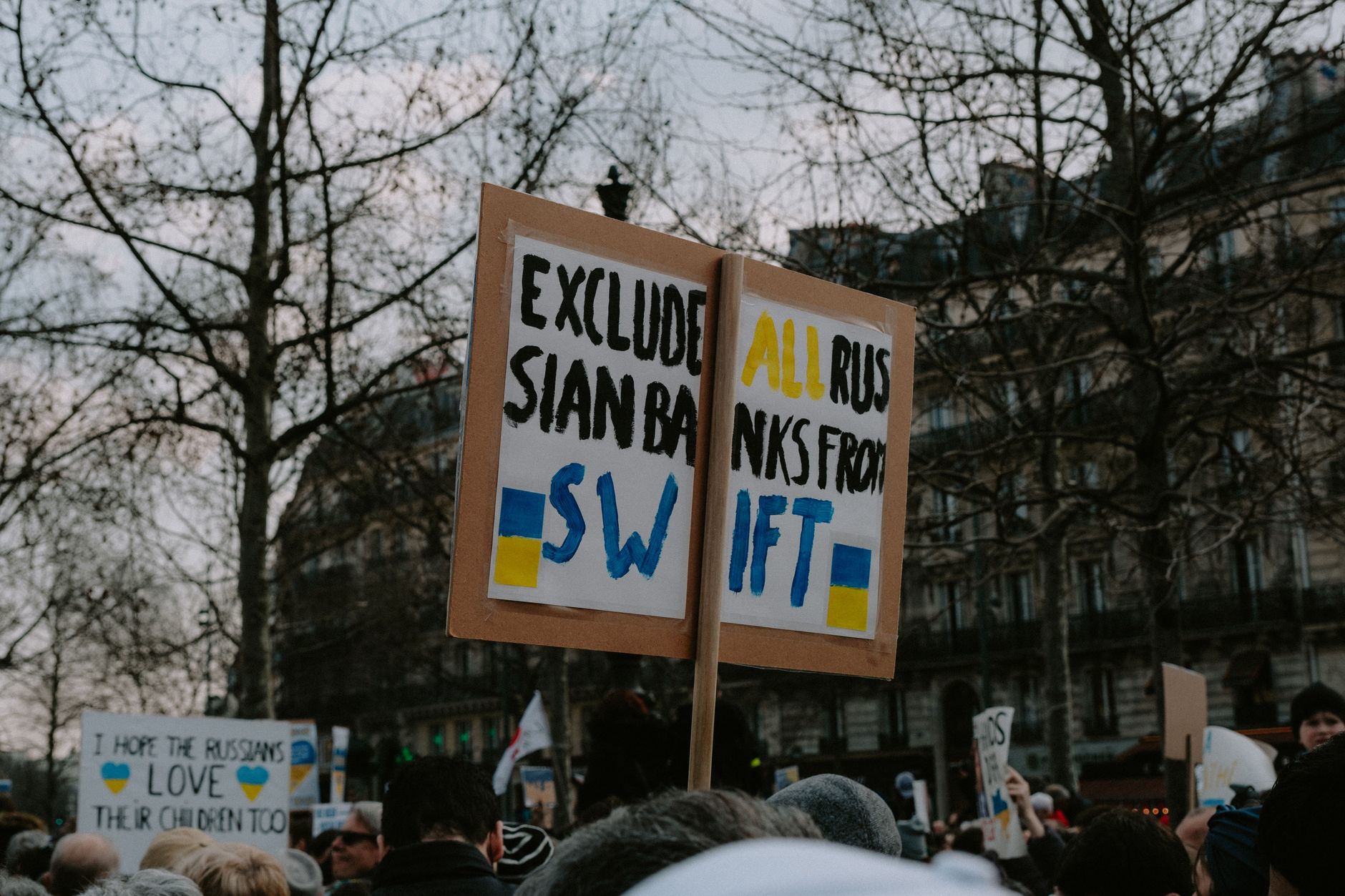
Russia sanctions bill has prompted India’s first reaction, emphasizing the need to protect trade and economic interests amid rising tensions.
Understanding the Russia Sanctions Bill
The recent passage of the Russia sanctions bill in the United States has prompted a measured response from India, highlighting its commitment to safeguarding national interests in a turbulent geopolitical landscape. The bill aims to impose strict penalties on any entities that engage in trade with Russia, particularly in sectors targeted by the U.S. government.
India has emphasized the importance of maintaining its trade and economic ties, stating that it will not compromise on its interests amidst external pressures. Officials have remarked on the necessity of a balanced approach that fosters economic growth while navigating the complexities of international relations.
Key points from India’s response include:
- Trade Relations: India seeks to continue its economic engagements with Russia, particularly in defense and energy sectors.
- Diplomatic Channels: Indian leaders are expected to engage with U.S. counterparts to express concerns over the potential impact of the sanctions.
- Strategic Autonomy: India aims to retain its independent foreign policy, ensuring its sovereignty is respected.
Overall, India’s reaction underscores its strategy of protecting vital economic interests while navigating global political dynamics.
Impact on India-Russia Relations
The passage of the Russia sanctions bill in the United States has raised several concerns regarding its impact on India-Russia relations. As India navigates its strategic partnerships, the government has emphasized the need to protect its trade and economic interests amidst the evolving geopolitical landscape.
India has historically maintained a strong relationship with Russia, relying on it for defense, energy, and technology. The new sanctions could potentially disrupt this long-standing partnership, prompting Indian officials to respond with caution. In their initial reaction, Indian authorities stated the importance of safeguarding bilateral ties while also considering the implications of the sanctions.
Key points regarding the impact on India-Russia relations include:
- Defense Cooperation: A significant portion of India’s military equipment is sourced from Russia, which may be affected by the sanctions.
- Energy Investments: India has substantial investments in Russian energy projects that could face challenges.
- Geopolitical Strategy: India aims to balance its relations with the West while maintaining its traditional ties with Russia.
In light of the Russia sanctions bill, India’s strategic approach will be crucial in preserving its interests and fostering stability in the region.
India’s Economic Strategy
In light of the recent passage of the Russia sanctions bill in the United States, India has articulated a strategic approach aimed at safeguarding its economic interests. The Indian government has emphasized the importance of maintaining robust trade relations while navigating the complexities of international sanctions.
Experts suggest that India’s response reflects a careful balancing act. As one of Russia’s significant partners, especially in defense and energy sectors, India stands to face repercussions from the sanctions imposed by Western nations. In this context, India is adopting several key strategies:
- Diversification of Trade: India is exploring new markets and suppliers to reduce dependency on any single nation.
- Strengthening Bilateral Ties: Continued engagement with Russia is paramount to ensure that longstanding partnerships are not jeopardized.
- Enhancing Domestic Production: By bolstering local industries, India aims to mitigate potential disruptions from external pressures.
Ultimately, India’s economic strategy in response to the Russia sanctions bill seeks to protect its national interests while fostering a cooperative international environment.
Responses from Global Leaders
Global leaders have expressed a range of opinions following the passage of the Russia sanctions bill in the United States. Many countries are watching closely, as the implications of the bill could ripple through international trade and diplomacy.
- European Union: The EU has emphasized the importance of maintaining a united front against Russian aggression while balancing economic interests with member states reliant on Russian energy.
- China: In response to the sanctions, China has reiterated its commitment to strengthening its ties with Russia, viewing the sanctions as a unilateral approach that undermines global stability.
- India: India’s initial reaction highlighted its intention to protect its economic interests, stating, “We will continue to engage with all parties to ensure our trade relationships remain intact.” This stance reflects India’s cautious approach towards the Russia sanctions bill.
- United Kingdom: The UK government has supported the sanctions, calling them necessary to hold Russia accountable for its actions, while also acknowledging potential challenges for global markets.
The diverse responses underscore the complex geopolitical landscape that nations must navigate in the wake of the Russia sanctions bill.
Future of Trade Agreements
The passage of the Russia sanctions bill in the United States raises significant questions about the future of trade agreements involving India. As the geopolitical landscape shifts, India is poised to navigate these changes with a keen focus on protecting its national interests.
In recent statements, Indian officials have emphasized the importance of maintaining strong economic ties with Russia, particularly in sectors such as energy, defense, and technology. This commitment indicates a potential recalibration of trade agreements to ensure mutual benefits while circumventing the effects of the sanctions.
Moreover, India is exploring alternative partnerships that could help mitigate any adverse impacts from the sanctions. The government is likely to engage in discussions with other nations, seeking to establish a balanced approach that prioritizes its economic growth.
As reactions to the Russia sanctions bill unfold, it is crucial for India to enhance its diplomatic strategies. By fostering resilience in its trade relationships, India aims to secure a stable economic future while asserting its stance on international issues. This careful maneuvering highlights India’s determination to safeguard its interests amid a complex global environment.
Photo by Mathias Reding on Pexels