
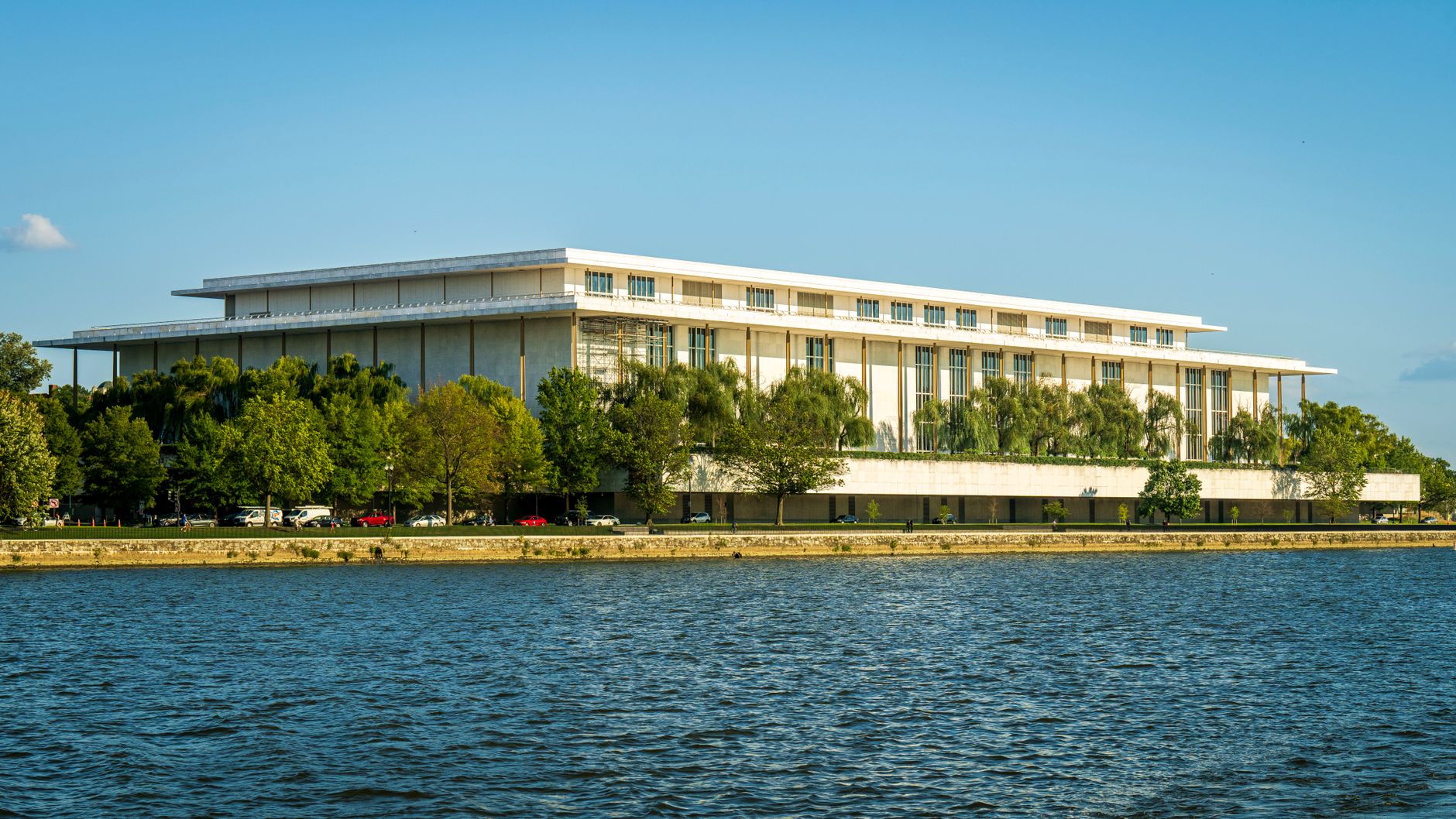
Kennedy Center overhaul has sparked discussions after Trump stated he has no interest in changes following a judge’s order to remove his name.
What prompted Trump’s statement on the Kennedy Center?
In a recent turn of events, former President Donald Trump expressed his lack of interest in the proposed Kennedy Center overhaul following a judge’s decision to remove his name from the venue. This development has sparked conversations about the future of the iconic cultural institution and its significance in the American arts landscape.
Trump’s statement came as a reaction to the ongoing discussions around the Kennedy Center and its renovation plans. Many have questioned the implications of his name being associated with the center, especially given the polarized views surrounding his presidency.
Several factors prompted Trump’s remarks, including:
- The public’s mixed reactions to his legacy.
- Concerns about the financial implications of the overhaul.
- Debates over the role of art and culture in political discourse.
- The impact of removing his name from the Kennedy Center on its funding and reputation.
While some view the Kennedy Center overhaul as a necessary step toward modernization, others argue that it could lead to further division among supporters and detractors of Trump. As discussions continue, the future of the Kennedy Center remains uncertain, raising questions about how it will adapt to contemporary challenges while honoring its storied past.
Legal implications of the judge’s order
The recent ruling by a federal judge to remove former President Donald Trump’s name from the Kennedy Center has sparked extensive legal discussions. This decision raises questions about the implications of such an order and how it may affect the ongoing debate surrounding the Kennedy Center overhaul.
Legal experts have weighed in on several key issues:
- First Amendment Rights: The ruling could be viewed as a potential infringement on free speech, as Trump argues that his name is an important part of his legacy.
- Contractual Obligations: The judge’s decision raises questions about any contracts or agreements made regarding the naming rights of the Kennedy Center, and whether such changes can be legally enforced.
- Precedent Setting: This case may set a legal precedent for future disputes involving public figures and their association with cultural institutions.
- Public Funding Concerns: Given that the Kennedy Center receives federal funding, the implications of altering its naming rights could lead to further scrutiny from lawmakers and stakeholders.
As discussions continue, the ramifications of the Kennedy Center overhaul and the judge’s order will likely reverberate throughout the legal community and beyond. Observers are keenly watching how this situation unfolds in the coming weeks.
Public reaction to the Kennedy Center overhaul
The announcement of the Kennedy Center overhaul has sparked a range of reactions from the public, with opinions divided on whether it is a necessary step or an unwelcome distraction. Many supporters argue that the renovations could enhance the cultural landmark and provide a more inclusive space for the arts.
On social media, hashtags related to the Kennedy Center overhaul have trended, with users sharing their visions for the improvements. Some see potential benefits, such as:
- Increased accessibility: Advocates emphasize the need for spaces that cater to individuals with disabilities.
- Expanded programming: Many believe that an overhaul could lead to a wider range of performances and events, appealing to diverse audiences.
- Boosting tourism: A revamped Kennedy Center could attract more visitors, benefiting local businesses and the economy.
However, critics voice concerns regarding the timing of the overhaul amidst political turmoil, especially given Trump’s recent comments stating he has “no interest” in the Kennedy Center overhaul. Some argue that the focus should remain on pressing national issues rather than on cultural renovations.
As the debate continues, the future of the Kennedy Center and its planned improvements remains uncertain, reflecting broader tensions within the community and the nation.
Trump’s history with the Kennedy Center
Donald Trump’s relationship with the Kennedy Center has always been complex, intertwining his personal interests with his political aspirations. Over the years, Trump has made several comments about the arts and culture, often reflecting his belief in their importance to national identity. However, his involvement with the Kennedy Center has raised eyebrows, especially considering the institution’s role in promoting American artistic expression.
In 2017, Trump faced criticism for his proposed budget cuts to the National Endowment for the Arts, which directly impacted funding for institutions like the Kennedy Center. This move was seen by many as a disregard for the arts, igniting debates about the value of cultural funding. Trump’s administration, however, maintained that such measures were necessary for economic reasons.
As the Kennedy Center undergoes an overhaul, questions arise about the appropriateness of Trump’s previous association with it. His name being removed from the center’s recognition sparked discussions about the implications of his legacy on American culture. Supporters of the overhaul believe that distancing the center from Trump’s brand could reaffirm its commitment to inclusivity and artistic integrity.
Ultimately, Trump’s history with the Kennedy Center reflects broader tensions between politics and the arts, leaving many to wonder if the current overhaul signifies a necessary step toward a more diversified cultural narrative.
Future of the Kennedy Center without Trump’s name
The future of the Kennedy Center without Trump’s name has sparked considerable debate among art enthusiasts, political analysts, and the public. With the recent ruling mandating the removal of Trump’s name from the prestigious institution, questions arise about the potential implications of this overhaul.
Many supporters of the Kennedy Center overhaul believe that removing Trump’s name could allow for a renewed focus on the arts and culture, free from the political controversies that have surrounded his presidency. They argue that this change might help restore the center’s reputation and make it more inclusive for all patrons.
Conversely, critics argue that the Kennedy Center’s identity is intertwined with Trump’s legacy, and erasing his name may overlook the contributions he made to the arts during his time in office. Some view this overhaul as an attempt to erase history rather than build upon it.
As the Kennedy Center navigates this transition, it is essential for stakeholders to establish a vision that honors the institution’s rich heritage while embracing a future that reflects a broader spectrum of artistic expression. Ultimately, the question remains whether this overhaul will lead to a more vibrant cultural landscape or simply create further division among supporters and detractors of Trump’s involvement.
The Kennedy Center overhaul has sparked a heated debate among critics and supporters alike. Many wonder if the Kennedy Center overhaul is truly in line with the cultural values of the nation.
Photo by Mark Stebnicki on Pexels