
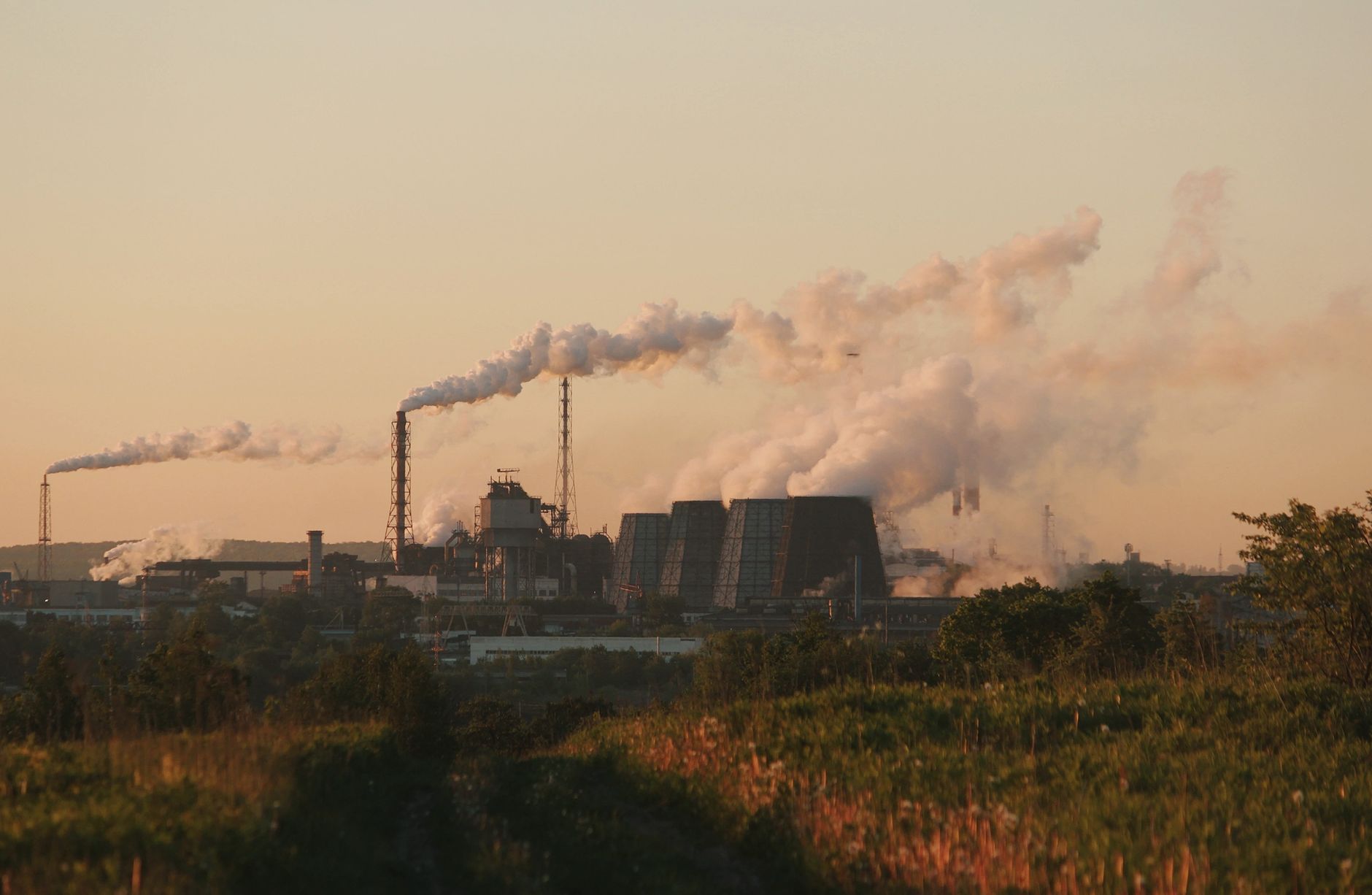
The endangerment finding greenhouse gases has been rescinded by the EPA, a move that could have significant implications for climate policy. This decision reverses a critical 2009 assessment linking greenhouse gases to harmful climate effects.
What is the Endangerment Finding?
The Endangerment Finding refers to a pivotal determination made by the Environmental Protection Agency (EPA) in 2009, which concluded that greenhouse gases pose a significant threat to public health and the environment. This landmark finding was based on extensive scientific research indicating that emissions from vehicles and industrial activities contribute to climate change, leading to adverse effects such as extreme weather events, rising sea levels, and threats to biodiversity.
As a result of the Endangerment Finding, the EPA gained the authority to regulate greenhouse gas emissions under the Clean Air Act. This decision was hailed by many environmentalists and public health advocates as a crucial step toward mitigating climate change and protecting future generations. However, it has also faced criticism and challenges from various industry groups and political factions who argue that such regulations could harm economic growth and job creation.
In the years following the initial finding, the debate surrounding greenhouse gas emissions intensified, prompting calls for further action and stricter regulations. Yet, the recent decision by the EPA to rescind the 2009 Endangerment Finding has sparked outrage among environmentalists, who view it as a significant regression in the fight against climate change. Critics argue that this move undermines efforts to address the ongoing climate crisis and could lead to severe consequences for public health and the environment.
Impacts of Rescinding the Finding
The recent decision by the Environmental Protection Agency (EPA) to rescind the landmark 2009 endangerment finding on greenhouse gases has sparked significant debate over its potential impacts. Critics argue that this move could have dire consequences for environmental policy and public health.
One of the most pressing concerns is the potential increase in greenhouse gas emissions. Without the regulatory framework established by the endangerment finding, industries may feel less compelled to reduce their carbon footprint, leading to:
- Increased Air Pollution: A rise in greenhouse gas emissions could exacerbate air quality issues, impacting respiratory health among vulnerable populations.
- Climate Change Acceleration: The failure to address greenhouse gases could accelerate climate change, resulting in more extreme weather events, rising sea levels, and habitat destruction.
- Economic Consequences: The long-term economic impacts could be severe, as climate-related disasters disrupt local economies and infrastructure.
Moreover, the rescinding of the endangerment finding undermines decades of scientific research that demonstrates the harmful effects of greenhouse gases on climate stability. This decision may also hinder international cooperation on climate initiatives, as countries look to the U.S. for leadership in combating global warming.
Overall, the implications of rescinding the finding may extend far beyond environmental concerns, affecting public health, economic stability, and international relations.
Reactions from Environmental Groups
Environmental groups have reacted strongly to the recent decision by the EPA to rescind the landmark 2009 endangerment finding on greenhouse gases. Many organizations believe this move undermines years of scientific research and progress in combating climate change.
Greenpeace issued a statement condemning the decision, arguing that it jeopardizes public health and the environment. They emphasized that the endangerment finding was pivotal for regulating emissions from various sectors, including transportation and energy production.
Similarly, The Sierra Club called the rescinding of the finding “a grave mistake.” They highlighted that the EPA’s original determination was based on overwhelming scientific evidence showing that greenhouse gases contribute significantly to climate change and pose serious risks to ecosystems and human health.
Others, like the Natural Resources Defense Council (NRDC), expressed concern that without this finding, the federal government would lack the necessary tools to enforce measures that mitigate greenhouse gas emissions. They argue that this decision could lead to increased pollution levels and exacerbate the climate crisis.
In addition, numerous grassroots organizations are mobilizing to protest the decision, urging the public to hold lawmakers accountable for prioritizing industry interests over environmental protections. Many believe that the endangerment finding was crucial to advancing environmental policy and protecting future generations.
Legal Implications of the Decision
The recent decision by the Environmental Protection Agency (EPA) to rescind the landmark 2009 endangerment finding greenhouse gases has significant legal implications. This move raises questions about the authority of federal agencies in regulating pollutants that threaten public health and the environment. Critics argue that the reversal undermines decades of progress in environmental law and may expose the government to various legal challenges.
One of the primary concerns revolves around the potential violation of the Clean Air Act. The act mandates the EPA to determine whether certain pollutants, including greenhouse gases, pose a danger to public health or welfare. By rescinding the endangerment finding, the agency may be seen as neglecting its statutory responsibilities, which could lead to litigation from environmental advocacy groups and states.
Additionally, the decision may embolden industries to challenge existing regulations aimed at limiting greenhouse gas emissions. This could set a precedent that weakens environmental protections, complicating future efforts to combat climate change.
Furthermore, legal experts suggest that the EPA’s decision could face scrutiny from the courts, especially as public opinion increasingly favors action against climate change. As lawsuits unfold, the ramifications of this decision could ripple through the legal landscape, affecting not just environmental policy but also the broader regulatory framework within which government agencies operate.
Historical Context of the 2009 Finding
The historical context of the 2009 endangerment finding is crucial to understanding its significance in environmental policy. In December 2009, the Environmental Protection Agency (EPA) officially determined that greenhouse gases posed a threat to public health and welfare. This landmark decision was grounded in extensive scientific research that linked the increase of these gases to climate change and its associated impacts.
At the time, the finding was celebrated by environmentalists and scientists alike, as it set a precedent for regulating emissions from various industries. The finding was based on the assessment of several key reports, including the Intergovernmental Panel on Climate Change (IPCC) assessments, which highlighted the urgent need for action against global warming.
Moreover, the decision came at a pivotal moment when public awareness of climate issues was rising. It was seen as a turning point that could lead to more stringent regulations aimed at reducing carbon emissions and promoting cleaner energy sources.
However, the rescinding of the endangerment finding raises concerns about the potential rollback of critical measures that protect the environment and public health. Critics argue that this move undermines years of progress made in climate policy and jeopardizes future initiatives aimed at combating climate change. The long-term impacts of this decision remain to be seen, but its implications for greenhouse gas regulation could be profound.
Future of Climate Policy
The future of climate policy is increasingly uncertain following the recent rescinding of the Endangerment Finding on greenhouse gases. This decision raises critical questions about the direction of environmental regulations and the potential consequences for global warming.
Many experts believe that without the Endangerment Finding, there may be a significant decline in efforts to combat climate change. The finding was a cornerstone of the previous administration’s climate strategy, which aimed to reduce emissions and promote renewable energy sources. Now, with its removal, stakeholders worry that legislative momentum will stall, impacting both national and international climate agreements.
Key areas of concern include:
- Regulatory Rollbacks: The absence of a formal acknowledgment of greenhouse gases’ harmful effects could lead to the dismantling of existing regulations designed to limit emissions.
- Investment in Clean Energy: Uncertainty about the future of climate policy may deter private investment in renewable energy technologies.
- Public Health Risks: Increased greenhouse gas emissions could worsen air quality, leading to adverse health effects for vulnerable populations.
As policymakers grapple with this new reality, the long-term implications of the endangerment finding’s rescinding could resonate for years, impacting both ecological sustainability and public health.
The endangerment finding greenhouse gases has sparked heated debates among scientists and policymakers alike. Critics argue that the endangerment finding greenhouse gases could lead to unnecessary regulations that stifle economic growth.
Photo by Intel Core i9 12900K on Pexels