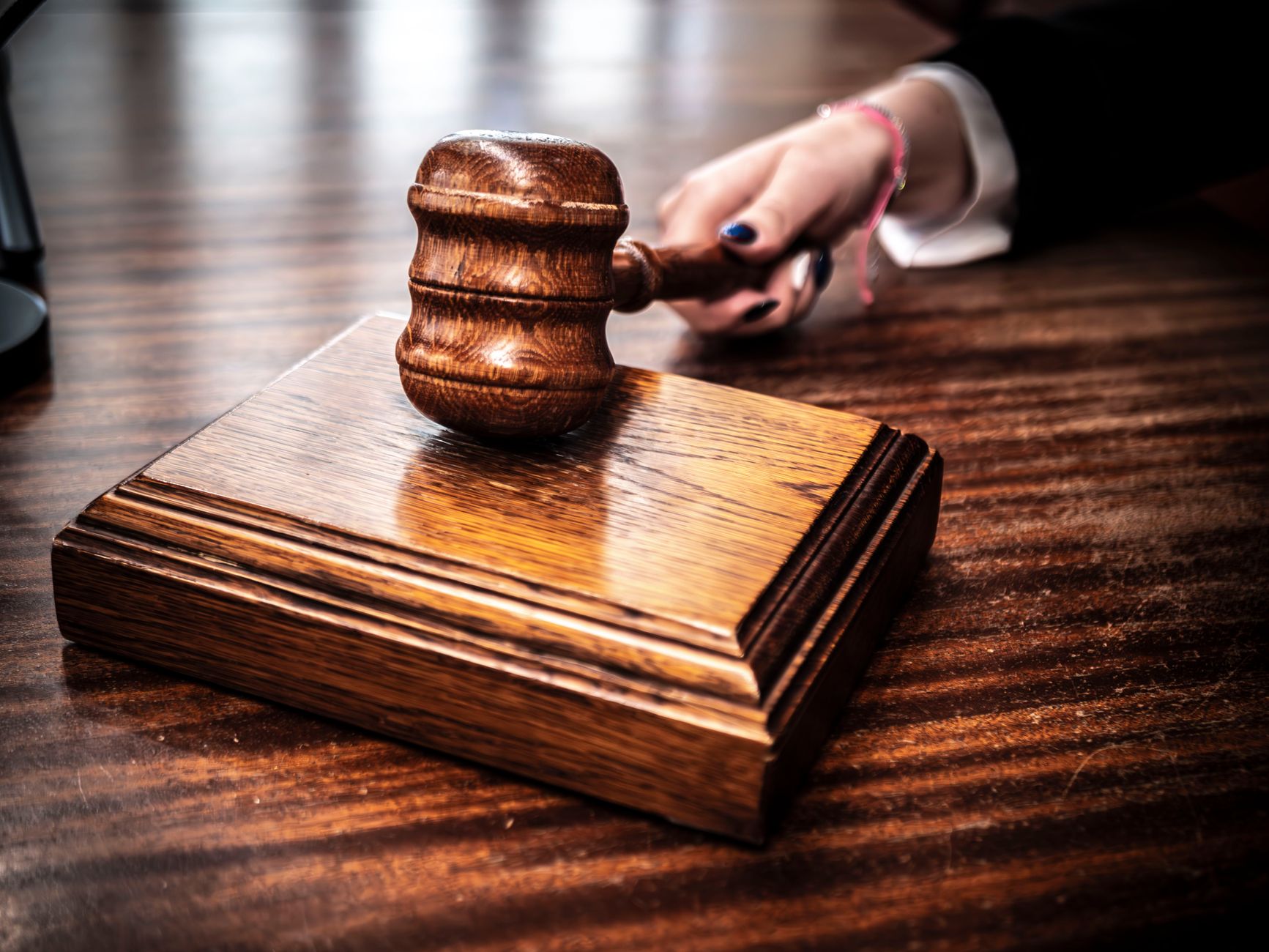

Online child safety laws are being implemented in the UK, marking a significant step towards enhanced protection for children against harmful content.
What are the new online child safety laws?
The UK government is set to introduce a series of new online child safety laws aimed at enhancing protection for children in the digital landscape. These laws are designed to tackle the growing concerns surrounding online risks, including exposure to inappropriate content and predatory behaviors.
Among the key features of the proposed legislation are:
- Strict Regulations: Online platforms will be required to implement robust measures to safeguard children from harmful material, particularly nude images and explicit content.
- Age Verification: Websites targeting children must employ age verification systems to restrict access to unsuitable content, ensuring that minors are shielded from potential dangers.
- Reporting Mechanisms: Enhanced reporting tools will be established, allowing users to easily flag inappropriate behavior or content, leading to quicker responses from authorities.
- Educational Initiatives: The legislation will also promote educational programs aimed at raising awareness about online safety among children and parents alike.
These online child safety laws represent a significant step forward in the ongoing effort to create a safer digital environment for young users. While critics argue about the effectiveness and enforceability of such measures, proponents believe they are essential for protecting children in an increasingly connected world.
Impact of legislation on child protection
The implementation of new online child safety laws has the potential to significantly impact child protection across the UK. These laws aim to create a safer digital environment for children, addressing issues such as exposure to inappropriate content and online exploitation.
One of the most crucial aspects of this legislation is its emphasis on the responsibility of online platforms to monitor and control the content accessible to minors. This shift places the onus on tech companies to ensure that their services are not only compliant with legal standards but also actively promote child safety.
Experts argue that while the new online child safety laws are a step in the right direction, their effectiveness will largely depend on proper enforcement and public awareness. Key points of consideration include:
- Implementation Challenges: Ensuring that all platforms, regardless of size, adhere to these regulations.
- Resource Allocation: Providing adequate resources for monitoring and reporting mechanisms.
- Public Education: Raising awareness among parents and children about the importance of online safety.
As the government prepares to roll out these regulations, the debate continues over whether they will provide sufficient protection for children against the myriad dangers present in the digital landscape. Ultimately, the success of these laws will depend on collaboration between lawmakers, tech companies, and the community.
How will these laws affect internet users?
The introduction of new online child safety laws is poised to significantly affect internet users, particularly parents, educators, and minors themselves. These regulations aim to create a safer online environment by imposing stricter guidelines on content sharing and user interactions.
For parents, the implementation of these laws may provide peace of mind, knowing that there are legal measures in place to protect their children from harmful content and online predators. They will likely feel more empowered to guide their children’s internet usage, understanding that platforms are now required to take stronger action against inappropriate material.
However, some internet users express concerns about potential overreach. Critics argue that overly stringent regulations could hinder freedom of expression and limit the availability of valuable resources online. This could particularly impact educational platforms and forums where young people seek information and support.
Moreover, minors may face varying experiences depending on how these laws are enforced. While some may benefit from enhanced protections, others could find themselves restricted from accessing certain websites or materials deemed inappropriate by the new standards.
Overall, the impact of online child safety laws on users is complex, balancing the need for protection with the importance of maintaining a free and open internet. As these laws take effect, their true implications will unfold, shaping the digital landscape for future generations.
Expert opinions on online safety measures
Experts in child safety and digital rights have varying opinions on the effectiveness of online child safety laws. Many advocate that these regulations are crucial to creating a safer online environment for children. Dr. Emily Carter, a leading child psychologist, emphasizes the importance of these laws, stating, “In an age where children are exposed to potential dangers online, robust legislation is vital to protect them from harmful content and interactions.”
However, some critics argue that while online child safety laws are a step in the right direction, they may not address all aspects of online safety. Professor Mark Thompson, an expert in internet policy, notes, “Legislation alone cannot solve the issues of online predation and bullying. Parents and educators must also play an active role in teaching children about safe internet practices.”
Additionally, Linda Rodriguez, a digital rights advocate, raises concerns about privacy implications. “While protecting children is paramount, we must ensure that these laws do not infringe on the rights of users, including young people,” she argues. This sentiment highlights the delicate balance that must be struck between enforcing online child safety laws and ensuring a free, open internet.
As these discussions continue, the question remains: are the new regulations the best protection for kids, or do they require further refinement?
Photo by Boris Hamer on Pexels
References
Cohabitation law rights: Are they worth the legal changes? · Customs penalty case: SC Overturns HC Order on Rs. 425cr · Financed Vehicle Lawfully: SC Urges RBI for Clear Guidelines