
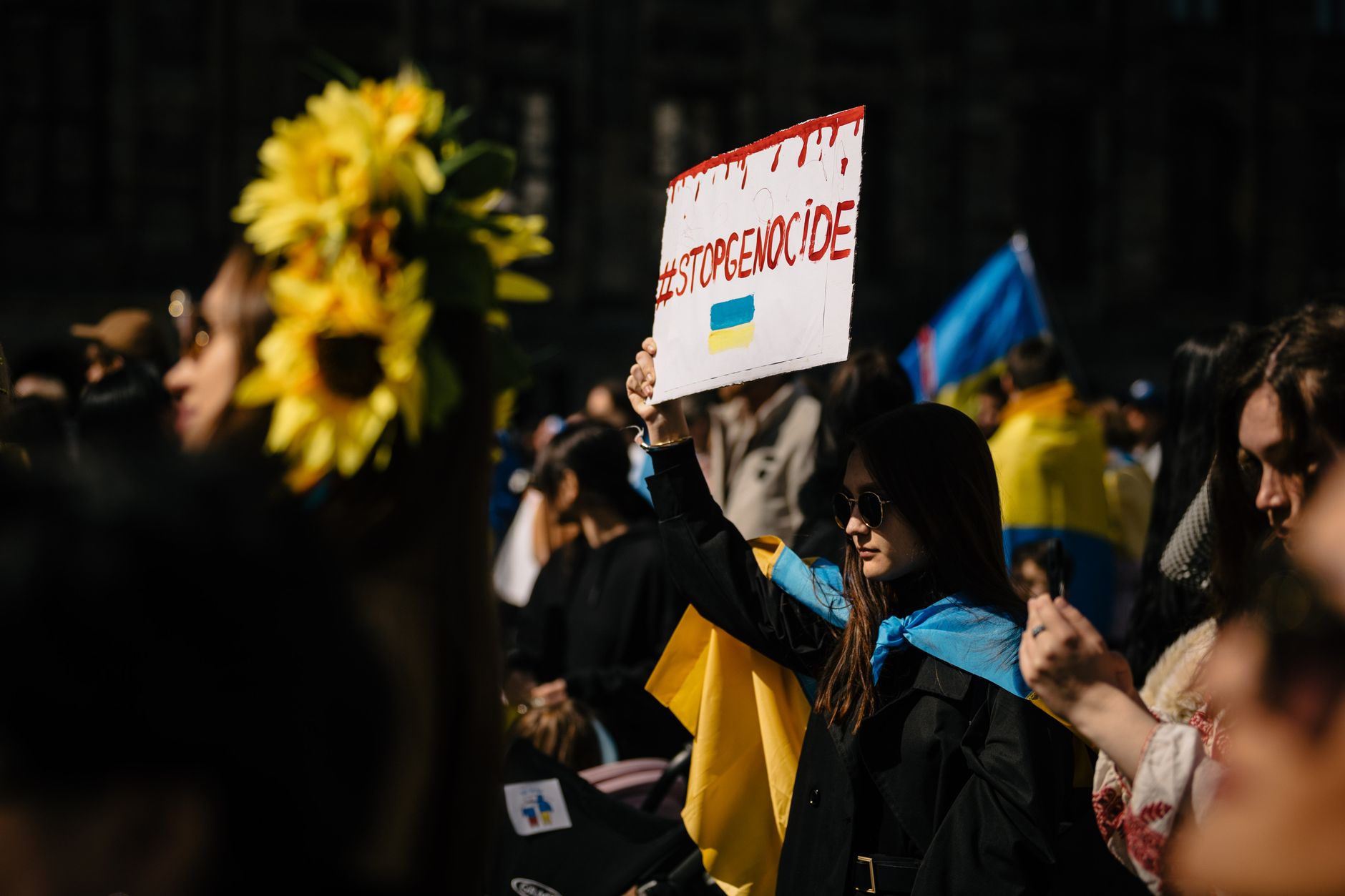
The Myanmar genocide ruling has sparked widespread debate and concern. This landmark decision by the ICJ highlights critical issues surrounding international law and accountability.
Understanding the Myanmar genocide ruling
The recent Myanmar genocide ruling by the International Court of Justice (ICJ) has sparked widespread debate regarding justice for the Rohingya people. This landmark decision comes amid ongoing discussions about global accountability and the responsibilities of nations in preventing atrocities.
The ICJ’s ruling highlights several key points:
- Legal Accountability: The court determined that Myanmar must take measures to prevent further genocidal acts against the Rohingya.
- Evidence of Atrocities: The ruling is based on substantial evidence of mass killings, sexual violence, and the destruction of villages, which the court classified as acts of genocide.
- International Response: The decision calls for a united international effort to hold Myanmar accountable, urging member states to take action.
While many view the ruling as a critical step towards justice, others question its effectiveness, given Myanmar’s continued denial of the allegations. The Myanmar genocide ruling raises essential questions about the limitations of international law and the need for robust enforcement mechanisms to protect vulnerable populations.
Implications of the ICJ decision
The recent Myanmar genocide ruling by the International Court of Justice (ICJ) carries significant implications for both Myanmar and the international community. This decision not only highlights the severe human rights violations occurring within Myanmar but also sets a precedent for how the international legal system addresses acts of genocide.
Experts believe that the ruling may lead to several outcomes:
- Increased accountability: The ICJ’s decision may encourage other nations to hold Myanmar accountable for its actions, potentially leading to further investigations and legal actions against those responsible for the atrocities.
- International pressure: Countries and organizations may feel compelled to impose sanctions or other measures against the Myanmar government, pushing for a change in its policies and practices.
- Support for victims: The ruling could mobilize humanitarian aid and support for the Rohingya population and other affected groups, fostering international solidarity with those impacted by the genocide.
Overall, the Myanmar genocide ruling signifies a pivotal moment in the fight for justice and human rights on a global scale.
Reactions to the Myanmar genocide ruling
Reactions to the Myanmar genocide ruling have been swift and varied, reflecting the complex nature of international justice. Many human rights organizations have applauded the International Court of Justice’s (ICJ) decision, viewing it as a crucial step towards accountability for the atrocities committed against the Rohingya people. Amnesty International stated that this ruling could pave the way for future legal actions against those responsible for the genocide.
Conversely, some analysts express skepticism regarding the ruling’s effectiveness. Critics argue that without concrete enforcement mechanisms, the ICJ’s decision may not lead to tangible changes on the ground in Myanmar. Human Rights Watch noted that the military regime may continue its oppressive tactics without facing significant repercussions.
Additionally, regional powers have weighed in on the ruling. China has called for dialogue and reconciliation rather than punitive measures, urging a focus on stability in the region. Meanwhile, India is engaging in a debate about its role and responsibilities in addressing the humanitarian crisis, given its close ties to Myanmar.
As the world watches the aftermath, the Myanmar genocide ruling remains a contentious topic in international relations.
What does this mean for international law?
The recent Myanmar genocide ruling by the International Court of Justice (ICJ) has significant implications for international law, particularly concerning the enforcement of human rights and accountability for atrocities. This landmark decision reinforces the principle that states can be held accountable for acts of genocide, setting a precedent that could influence future cases.
Legal experts emphasize that the ruling not only clarifies existing laws but also strengthens the framework for international justice. It highlights the responsibility of nations to protect populations from genocide, aligning with the principles outlined in the Genocide Convention.
Furthermore, this ruling may encourage other nations and international bodies to take a firmer stance against genocide and similar crimes. It raises crucial questions about the effectiveness of international mechanisms in enforcing compliance and delivering justice. The ongoing challenges, however, remain in implementing these rulings, especially in politically sensitive regions.
As the world watches Myanmar, the ruling serves as a critical reminder of the need for robust international legal systems to address such grave violations and ensure accountability for perpetrators of genocide.
Photo by Michael Mücke on Pexels