India Russia sanctions law is a pressing issue as Jaishankar meets Rubio to address India’s concerns at the UNGA.
Understanding the India Russia sanctions law
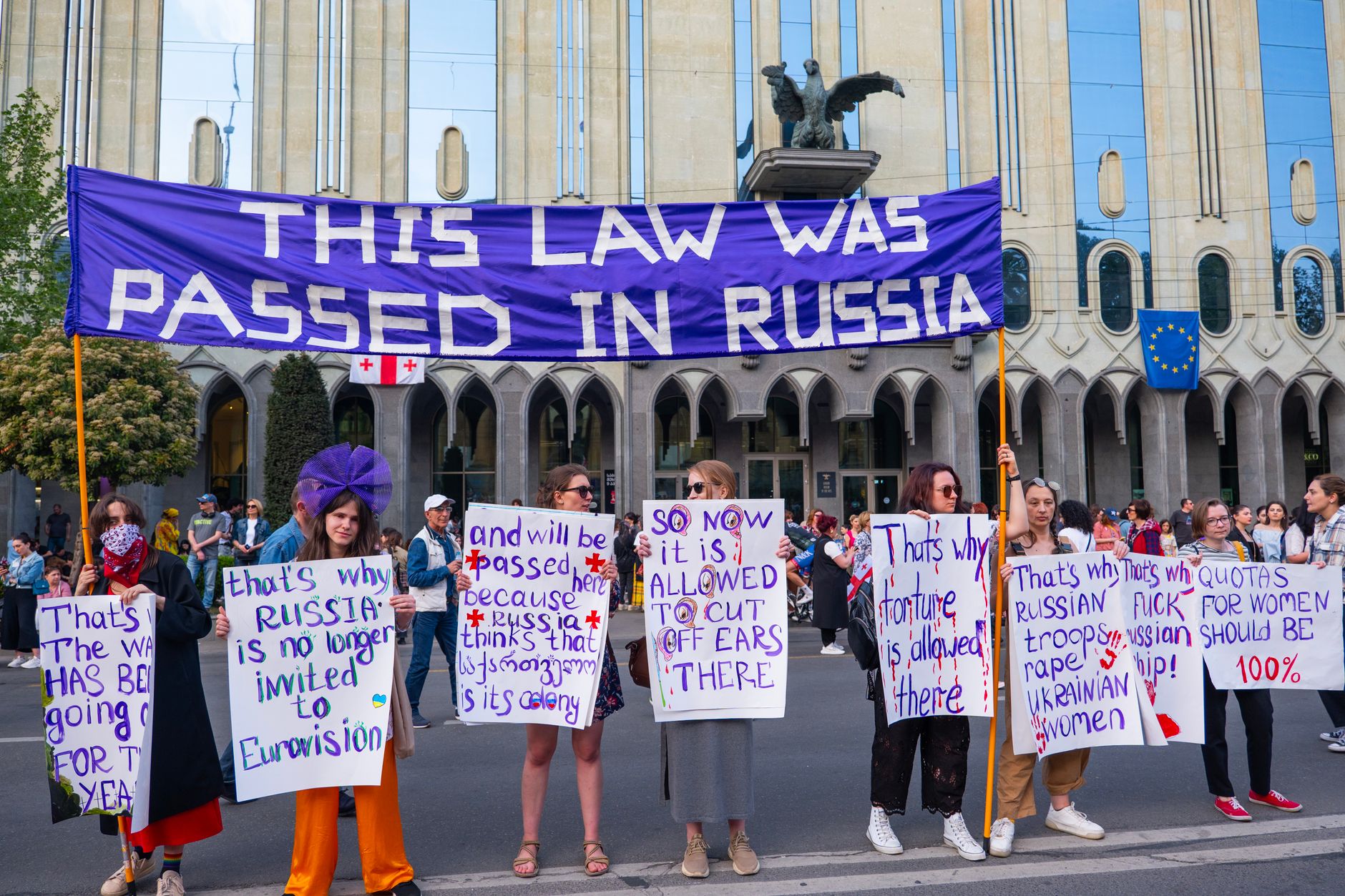
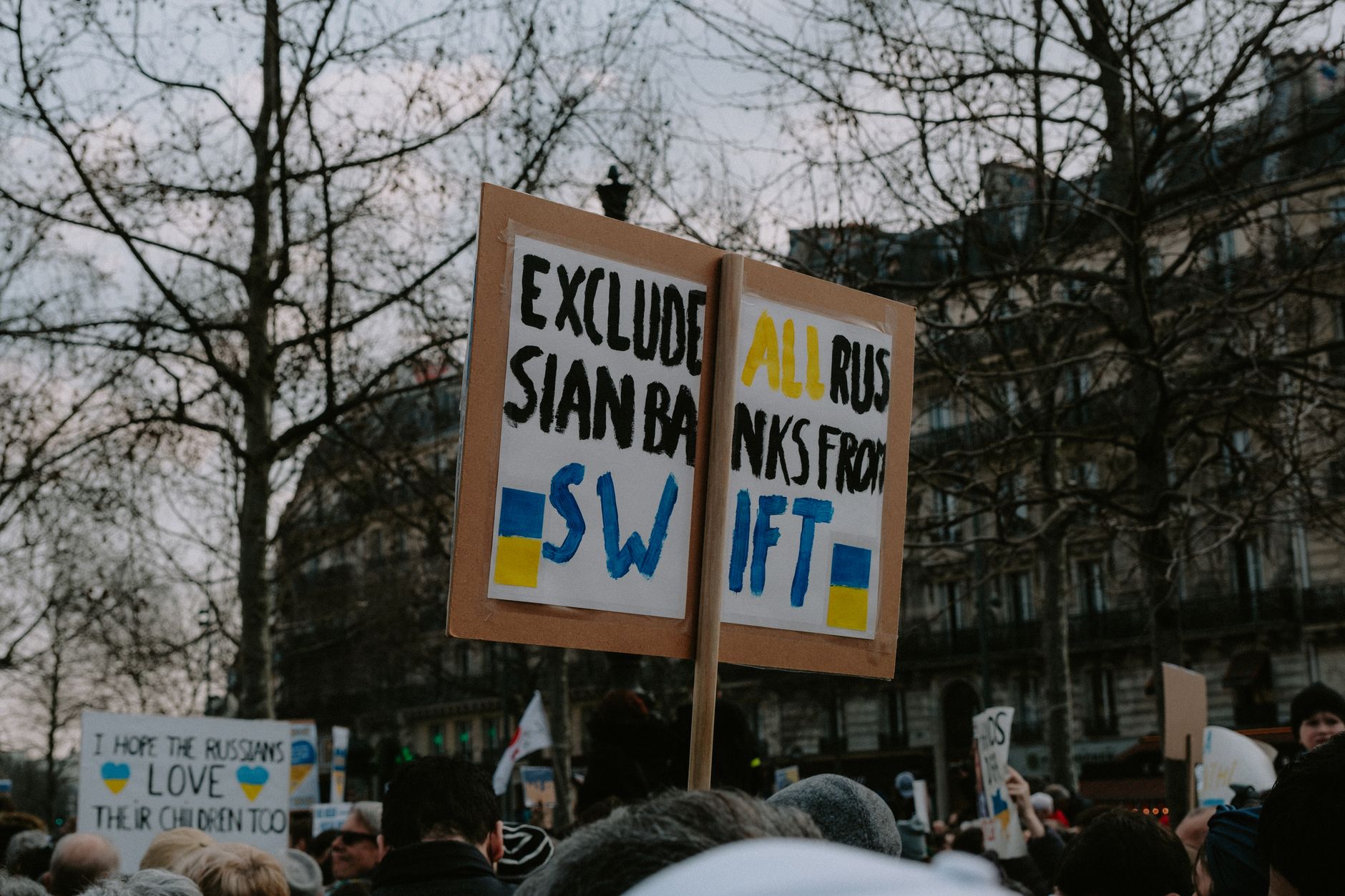
The India Russia sanctions law has emerged as a significant topic of discussion among global powers, particularly in the context of international relations and economic cooperation. As countries navigate the complexities of sanctions imposed on Russia, India has voiced its concerns regarding the implications these measures may have on its strategic partnerships.
One of the primary issues surrounding the India Russia sanctions law involves the potential impact on trade and investment. India has maintained a long-standing relationship with Russia, especially in defense and energy sectors. The imposition of sanctions could jeopardize existing agreements and deter future collaborations.
Furthermore, the law raises questions about compliance and the risk of secondary sanctions. Indian companies engaged in business with Russia may find themselves at odds with Western nations, leading to a precarious balancing act as they seek to uphold their interests while adhering to international norms.
In discussions at the United Nations General Assembly, Indian External Affairs Minister S. Jaishankar highlighted these concerns, emphasizing the need for a nuanced approach that considers the unique geopolitical landscape. As nations grapple with the consequences of sanctions, understanding the India Russia sanctions law becomes increasingly crucial for maintaining diplomatic relations and economic stability.
Jaishankar’s meeting with Rubio
During a significant meeting at the United Nations General Assembly (UNGA), Indian External Affairs Minister S. Jaishankar engaged in discussions with U.S. Senator Marco Rubio, highlighting India’s concerns regarding the India Russia sanctions law. The meeting underscored the complexities surrounding the legal and diplomatic ramifications of sanctions imposed on Russia and their potential impact on India.
Jaishankar emphasized that while India respects international laws, the implications of these sanctions could pose serious challenges to India’s strategic interests and economic stability. He articulated a need for a balanced approach that considers the unique geopolitical landscape in which India operates.
Key points raised during the meeting included:
- Economic Ties: The longstanding economic relationship between India and Russia, particularly in defense and energy sectors.
- Geopolitical Stability: The possibility of increased tensions in the region if sanctions continue to escalate.
- Diplomatic Engagement: The importance of dialogue to address mutual concerns without compromising national interests.
Jaishankar’s discussions with Rubio reflect a broader strategy by India to navigate the complex web of international relations while safeguarding its own interests amid evolving sanctions laws.
Concerns raised by India at UNGA
During a recent address at the United Nations General Assembly (UNGA), India’s External Affairs Minister, S. Jaishankar, raised significant concerns regarding the implications of the India Russia sanctions law. His remarks underscored the potential ramifications that these sanctions could have on India’s diplomatic and economic relations.
Jaishankar emphasized that unilateral sanctions, especially those not endorsed by the UN, pose challenges not only to nations like India but also to global stability. He articulated the need for a more collaborative approach to international relations, where countries can address security and economic issues without resorting to punitive measures that can impact trade and development.
Among the specific concerns noted by Jaishankar were:
- The adverse effect on energy security, crucial for India’s growing economy.
- The impact on defense cooperation between India and Russia, a long-standing partnership.
- The potential for increased geopolitical tensions in South Asia due to the sanctions.
India’s position reflects a broader call for multilateral approaches to international law, advocating for dialogue over division and the importance of adherence to established global norms.
Implications of sanctions on international relations
The implications of the India Russia sanctions law extend beyond bilateral relations and pose significant challenges to international diplomacy. Countries around the globe are closely monitoring how India navigates its relationship with Russia while adhering to international norms and agreements.
The law introduces a complex web of legal and diplomatic considerations that could influence India’s standing in multilateral forums. As nations reassess their foreign policies in light of the sanctions, India finds itself at a crossroads, balancing its long-standing ties with Russia against emerging geopolitical pressures.
Furthermore, the sanctions law could lead to increased scrutiny from Western nations, potentially straining India’s partnerships with countries that advocate for stringent measures against Russia. Diplomatic engagements, such as Jaishankar’s recent meeting with Senator Rubio, reflect the urgency of addressing these concerns on platforms like the United Nations General Assembly (UNGA).
As India seeks to maintain its strategic autonomy, the law raises questions about its capacity to uphold a non-aligned stance. The response from international partners will be critical in shaping future diplomatic relations, making it essential for India to articulate its position clearly and effectively.
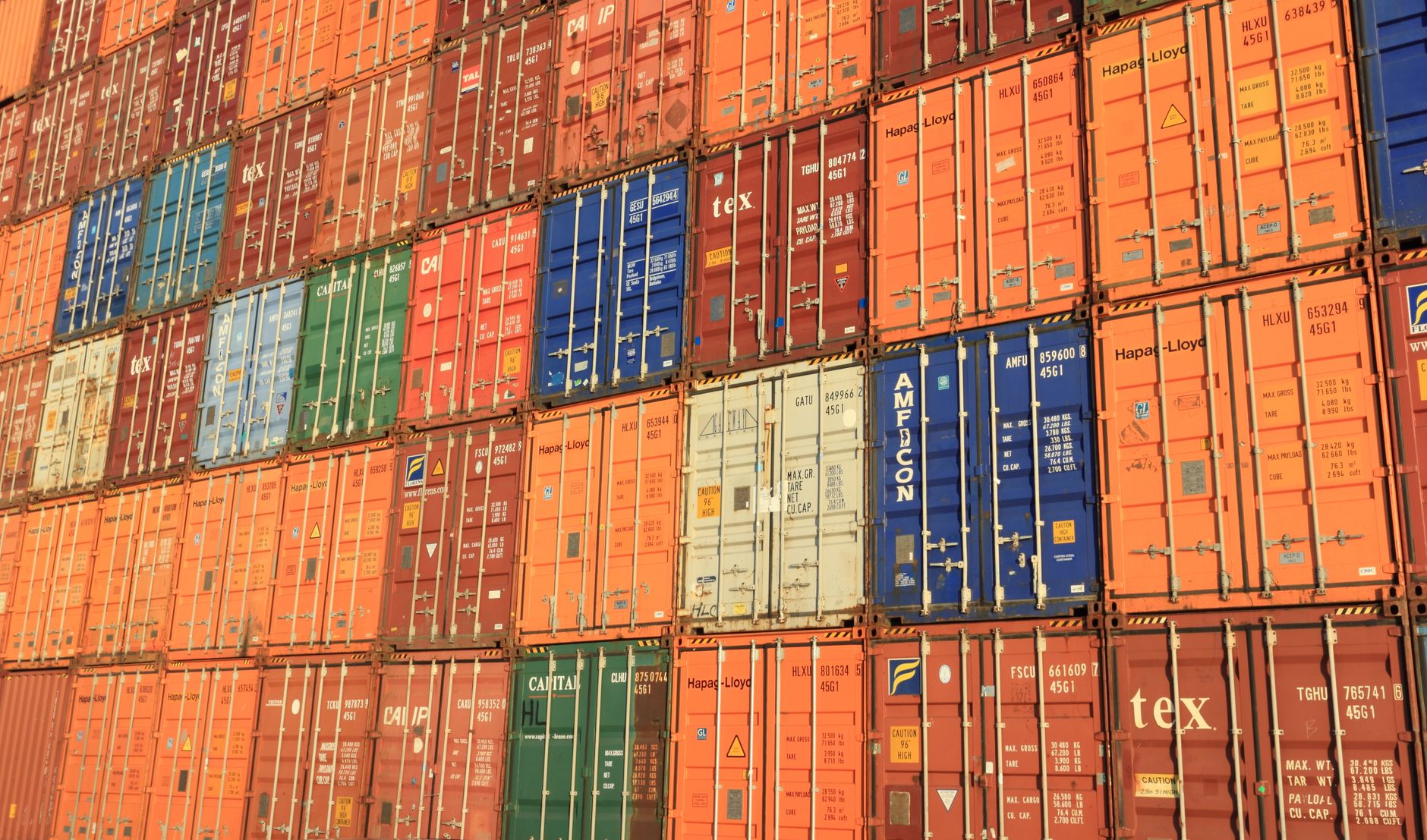
The India Russia sanctions law has raised questions about its potential impact on bilateral trade relations. Critics argue that the India Russia sanctions law could hinder India’s strategic partnerships and economic growth.
Photo by Mathias Reding on Pexels