
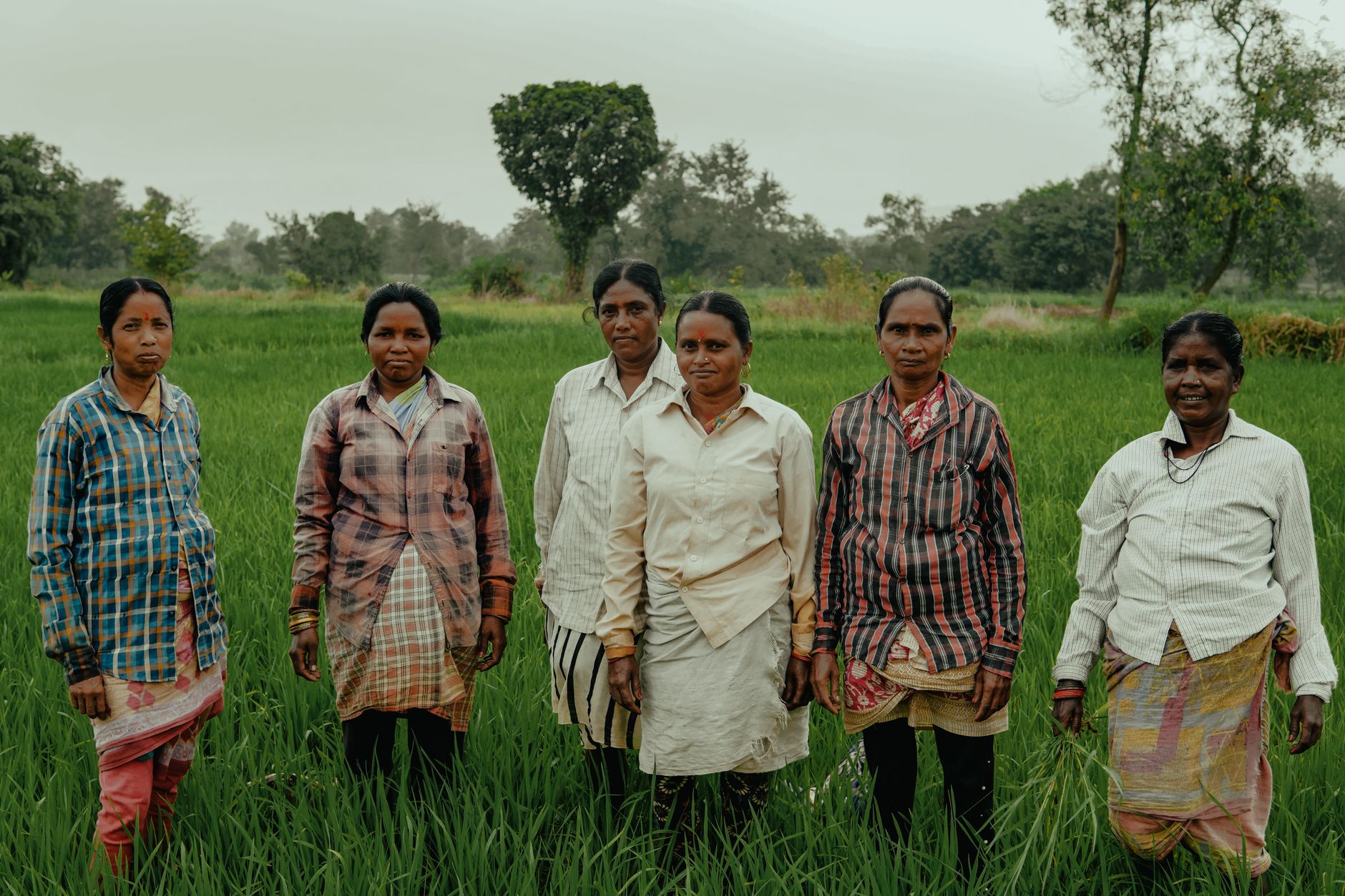
Women Farmers in India are facing significant challenges, particularly regarding legal recognition in Maharashtra. This article explores the implications of recent laws and the ongoing struggles for acknowledgment.
Overview of Women Farmers in India
Women farmers in India play a crucial role in the agricultural sector, contributing significantly to food production and rural economies. Despite their vital contributions, these women often face numerous challenges that hinder their recognition and empowerment.
According to recent studies, women make up nearly 30% of the agricultural workforce in India, yet their work remains largely unrecognized. The gender gap in access to resources, technology, and financial support continues to limit their potential.
In states like Maharashtra, recent legislative efforts aim to address these disparities. However, the implementation of such laws often falls short of effectively supporting women farmers. Key areas that require attention include:
- Access to land ownership
- Financial services and credit
- Education and training programs
- Market access and fair pricing
Recognizing the contributions of women farmers in India is essential for achieving gender equality and improving agricultural productivity.
Maharashtra’s Recent Law
Maharashtra has recently introduced a law aimed at addressing the challenges faced by women farmers in India. This legislation marks a significant step towards recognizing the contributions of women in agriculture, a sector traditionally dominated by men.
The law includes several key provisions:
- Access to Resources: Women farmers will have improved access to land, credit, and agricultural inputs, ensuring they can contribute more effectively to food security.
- Training and Support: The government will provide training programs tailored to the specific needs of women in agriculture, empowering them with modern farming techniques.
- Representation: The law mandates the inclusion of women in decision-making bodies related to agriculture, enabling them to voice their concerns and needs.
Despite these advancements, many challenges remain. The recognition gap persists, highlighting the need for ongoing efforts to elevate the status of women farmers in India fully. Closing this gap is crucial to achieving gender equality in the agricultural sector.
Impact of Recognition Gap
The impact of the recognition gap on women farmers in India is profound and multifaceted. Despite contributing significantly to agricultural output, these women often remain invisible in policy discussions and resource allocation.
Many challenges arise from this lack of recognition, including:
- Limited Access to Resources: Women farmers frequently face difficulties in obtaining credit, seeds, and technology, which hinders their productivity.
- Low Bargaining Power: Without formal recognition, women are often marginalized in market negotiations, receiving lower prices for their produce.
- Insufficient Training Opportunities: Many women lack access to vital training programs that could enhance their skills and knowledge.
- Social Stigma: Traditional gender roles often lead to societal undervaluation of women’s contributions to farming.
Addressing the recognition gap is crucial for empowering women farmers in India, ensuring they receive the support and respect they deserve in the agricultural sector.
Future of Women in Agriculture
The future of women farmers in India remains a topic of great significance as they continue to play an essential role in the agricultural landscape. Despite contributing substantially to food production and rural economies, these women often face systemic challenges that hinder their growth and recognition.
Efforts must be directed towards addressing the disparities in access to resources, technology, and training opportunities. To pave the way for a more inclusive agricultural sector, the following steps are crucial:
- Policy Reforms: Governments need to introduce and enforce policies that specifically cater to the needs of women farmers.
- Education and Training: Providing training programs that equip women with modern agricultural techniques can enhance productivity.
- Access to Markets: Creating platforms for women to sell their produce directly can ensure better prices and market presence.
- Financial Support: Offering microloans and subsidies can empower women to invest in their agricultural ventures.
By acknowledging and addressing these challenges, the potential of women farmers in India can be fully realized, fostering a more equitable agricultural future.
Photo by RASIK MOHAN MUNDA on Pexels