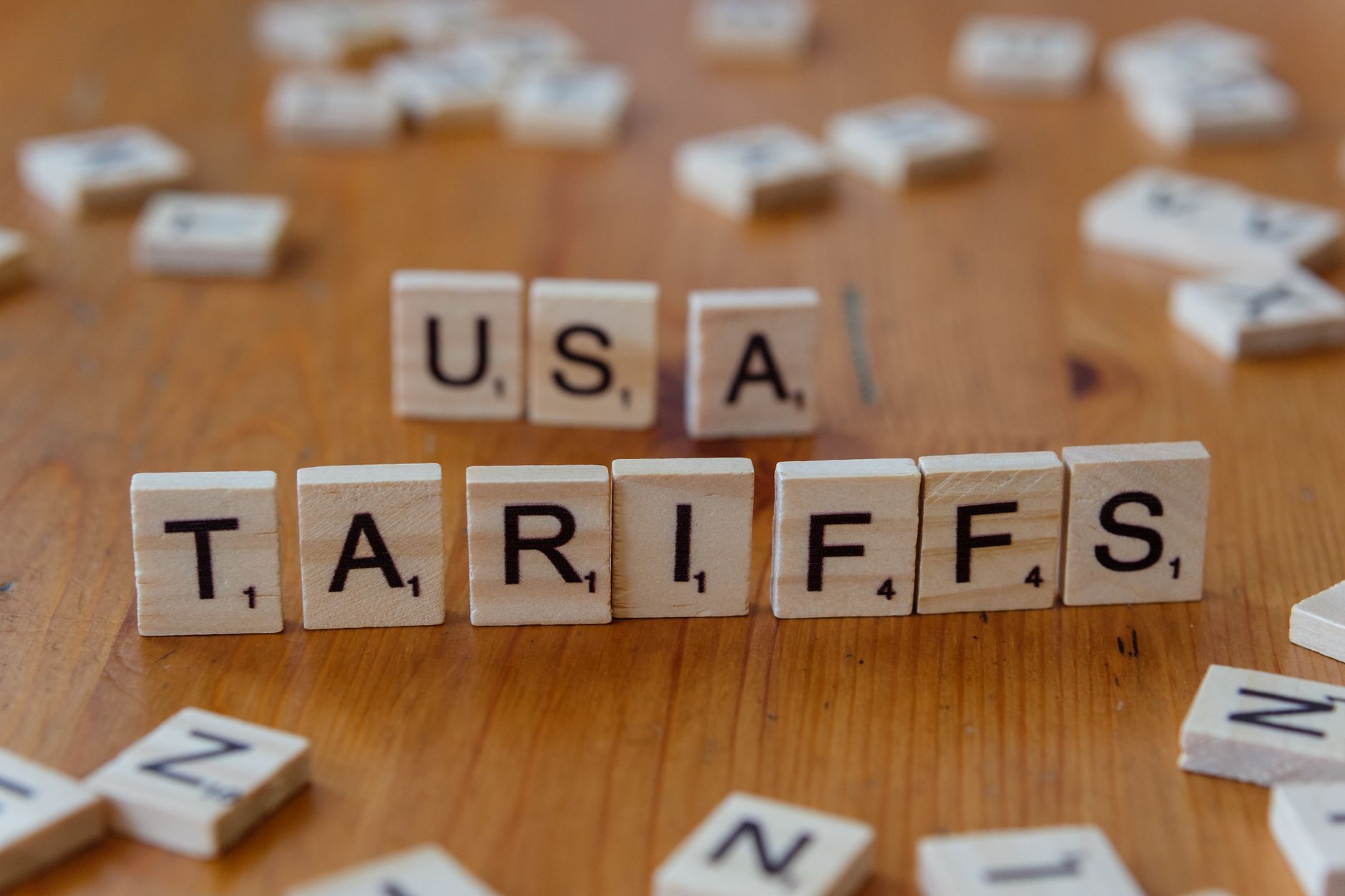
EU anti-China procurement rules are being floated in Brussels, aiming to enhance procurement transparency and reduce dependency on Chinese suppliers. This initiative could have significant implications for EU-China trade relations.
Overview of EU Anti-China Procurement Rules
The European Union has introduced new measures aimed at addressing concerns regarding procurement practices related to Chinese companies. These EU anti-China procurement rules are designed to enhance transparency and ensure a level playing field for European firms competing against their Chinese counterparts. The initiative reflects a growing apprehension over unfair competition and potential security risks associated with foreign involvement in critical sectors.
Key features of the EU’s proposed rules include:
- Increased Scrutiny: The rules require member states to evaluate the impact of foreign suppliers on national security and public order.
- Transparency Requirements: Companies bidding for public contracts will need to disclose their ownership structures, particularly if they have ties to state-owned enterprises.
- Reciprocity Measures: The regulations aim to create a more balanced trading environment by ensuring that EU firms face similar scrutiny and barriers when operating in China.
- Sanctions for Non-Compliance: There will be penalties for companies that fail to adhere to the new guidelines, emphasizing the importance of compliance in maintaining market integrity.
The EU’s anti-China procurement rules signal a significant shift in trade policy, aiming to protect local businesses while addressing geopolitical tensions. As these measures are implemented, stakeholders are closely monitoring their potential impact on trade dynamics within and beyond Europe.
Implications for EU-China Trade
The introduction of EU anti-China procurement rules is set to have significant implications for trade relations between the European Union and China. As these regulations take effect, several key areas will be affected.
- Increased Scrutiny: The new rules will require EU member states to conduct thorough assessments of Chinese companies seeking public contracts. This heightened scrutiny aims to ensure compliance with EU standards, potentially limiting the participation of Chinese firms in lucrative bidding processes.
- Market Dynamics: As barriers to entry rise for Chinese businesses, EU companies may see an opportunity to strengthen their market position. The shift may lead to reduced competition in certain sectors, altering pricing strategies and availability of goods and services.
- Trade Tensions: The implementation of these procurement rules may exacerbate existing trade tensions between the EU and China. Beijing has already expressed concerns about protectionist measures, and retaliatory actions could further complicate diplomatic relations.
- Long-term Relationships: The evolving procurement landscape may impact long-standing partnerships between EU firms and Chinese suppliers. Companies will need to navigate the changing regulatory environment, potentially leading to a reevaluation of existing contracts.
Overall, the EU anti-China procurement rules are poised to reshape the trading landscape, prompting both challenges and opportunities for stakeholders on both sides of the relationship.
Key Stakeholders in the Procurement Process
As the EU anti-China procurement rules take shape, several key stakeholders are poised to influence the implementation and outcomes of these regulations. Understanding their roles is essential for grasping the broader implications of the new rules.
- European Commission: The European Commission is at the forefront of drafting and enforcing the procurement rules. Their goal is to ensure a level playing field in public procurement and to address concerns regarding unfair competition from Chinese firms.
- Member States: Each EU member state has a vested interest in how these rules affect their local economies and industries. Some countries may support stricter measures, while others may advocate for a more lenient approach to promote trade relations.
- Businesses: European businesses, particularly those in sectors vulnerable to competition from Chinese companies, will be directly impacted. They may welcome the EU anti-China procurement rules as a means to protect their interests and promote fair competition.
- Trade Unions: Trade unions will likely play a crucial role in advocating for workers’ rights and ensuring that the implementation of these rules does not lead to job losses or wage cuts in Europe.
- Consumer Advocacy Groups: These groups will monitor the new procurement regulations to ensure they promote transparency and fairness in the procurement process, ultimately benefiting consumers.
Potential Challenges and Criticisms
The introduction of the EU anti-China procurement rules has sparked a range of potential challenges and criticisms from various stakeholders. As the EU aims to safeguard its supply chains and promote fair competition, several issues have emerged that could complicate the implementation of these regulations.
- Impact on Small and Medium Enterprises (SMEs): Many SMEs may struggle to meet the stringent requirements of the new regulations. The compliance costs and administrative burdens associated with the EU anti-China procurement rules could disproportionately affect smaller firms, limiting their ability to compete effectively.
- Retaliation from China: There are concerns that these rules could lead to retaliatory measures from China. If Chinese suppliers face significant barriers to entering the EU market, they may respond by imposing their own restrictions on European companies, ultimately harming bilateral trade relations.
- Legal Challenges: The potential for legal disputes is also a significant challenge. Companies affected by the new rules may seek to contest them in courts, arguing that they infringe on their rights or violate international trade agreements.
- Effectiveness and Enforcement: Questions remain about how effectively these regulations will be enforced. Without robust mechanisms to monitor compliance, the impact of the EU anti-China procurement rules may fall short of their intended goals.
As these challenges unfold, the ongoing dialogue among stakeholders will be crucial in shaping the future of EU-China trade.
Future of EU Trade Policies
The future of EU trade policies is being reshaped as the bloc seeks to establish a more balanced and fair procurement environment. The introduction of EU anti-China procurement rules signifies a pivotal shift in the approach to international trade, particularly concerning engagements with China. As the EU aims to safeguard its market from potential unfair competition, it faces the challenge of balancing protectionist measures with the need for openness in trade.
In the coming years, several factors will influence the evolution of these policies:
- Global Trade Dynamics: The increasing competition from emerging markets will compel the EU to reassess its procurement strategies continually.
- Legal Framework: The EU anti-China procurement rules will likely provoke discussions around compliance with international trade agreements, potentially leading to disputes.
- Innovation and Technology: As European companies adapt to new regulations, there will be a stronger emphasis on innovation to maintain competitiveness.
- Public Opinion: Growing concerns over national security and economic sovereignty will impact public sentiment and policy decisions.
Ultimately, the long-term success of the EU anti-China procurement rules will depend on their implementation and the EU’s ability to navigate the complexities of global trade while remaining committed to its values of fairness and transparency.
Photo by Jan van der Wolf on Pexels