
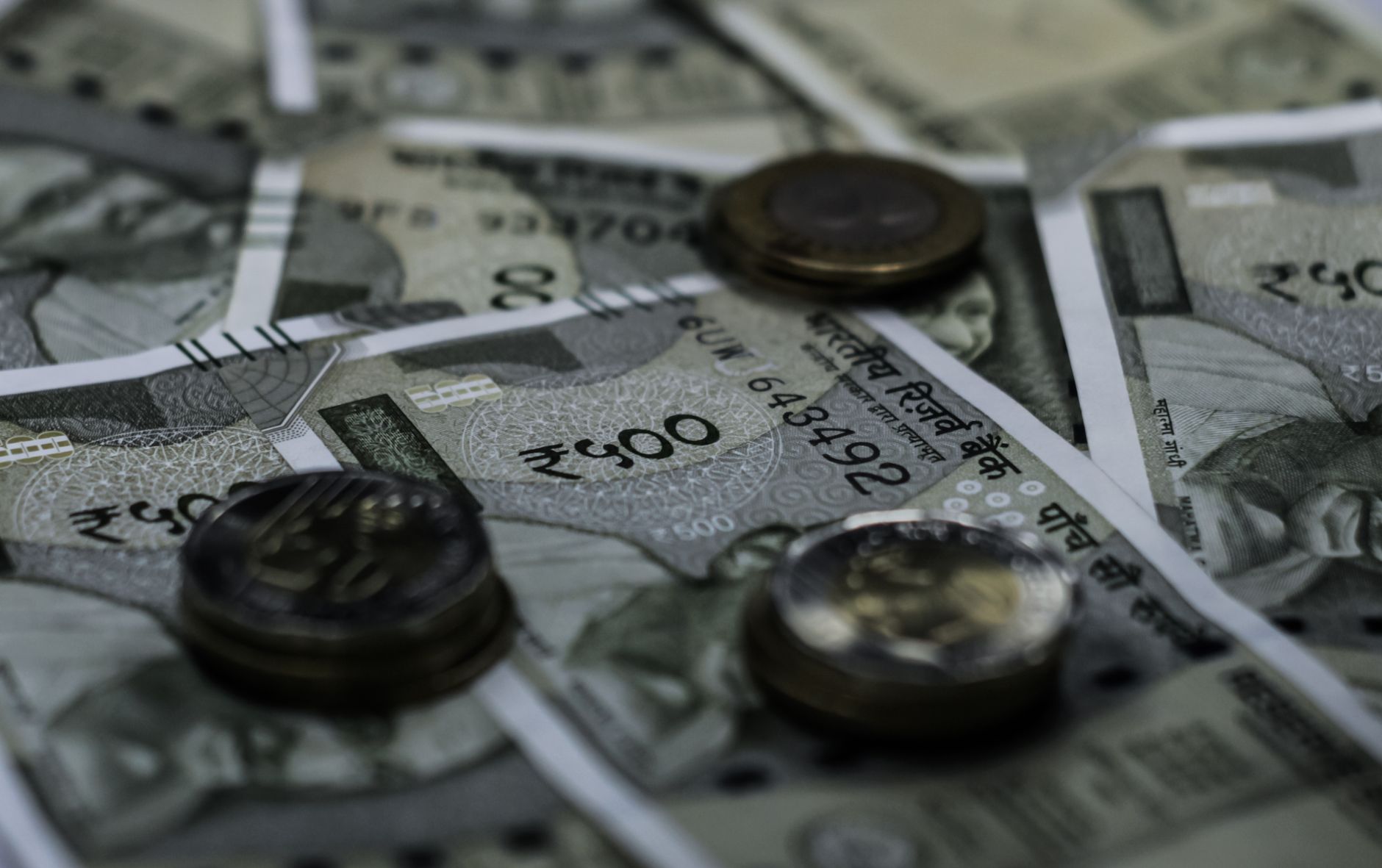
India MERCOSUR trade pact negotiations are underway, focusing on expanding economic collaboration and boosting trade between India and the MERCOSUR countries.
Overview of India MERCOSUR Trade Discussions
The recent discussions between India and MERCOSUR aim to broaden their existing trade pact and significantly enhance economic collaboration. MERCOSUR, a South American trade bloc, includes countries such as Brazil, Argentina, Paraguay, and Uruguay. The ongoing negotiations signify a step towards deepening economic ties between India and these nations, focusing on various sectors.
Key points of interest in the India MERCOSUR trade discussions include:
- Tariff Reductions: Both parties are exploring ways to reduce tariffs on a wide array of goods, which could facilitate smoother trade flows.
- Market Access: The agreement aims to improve market access for Indian products in MERCOSUR countries, particularly in sectors like pharmaceuticals, textiles, and machinery.
- Investment Opportunities: Increased investment opportunities are being discussed, with an emphasis on sectors such as technology, renewable energy, and agriculture.
- Cooperation in Services: The potential for cooperation in services, especially in IT and education, is also on the table, reflecting India’s strengths in these fields.
These discussions represent a crucial opportunity for India to solidify its position in the Latin American market while benefiting MERCOSUR nations through increased trade and investment. As talks progress, both sides remain optimistic about the potential economic benefits of a comprehensive trade agreement.
Key Objectives of the Trade Pact
The India MERCOSUR trade pact aims to enhance economic collaboration between India and the South American bloc, fostering mutual growth and development. The key objectives of this trade agreement include:
- Reduction of Tariffs: One of the primary goals is to lower tariffs on goods exchanged between India and MERCOSUR countries, making trade more accessible and cost-effective.
- Promotion of Investment: The pact is designed to encourage bilateral investments, providing a framework that assures investors of a conducive business environment.
- Strengthening Supply Chains: By enhancing connectivity and logistics, the agreement seeks to improve supply chain efficiency, benefiting industries across both regions.
- Boosting Exports: The trade pact aims to increase the export potential of various sectors, such as textiles, pharmaceuticals, and automobiles, thereby diversifying trade portfolios.
- Facilitating Technology Transfer: A key aspect is to pave the way for technology sharing in sectors like agriculture and renewable energy, promoting sustainable practices.
- Enhancing Cooperation: The India MERCOSUR trade pact seeks to foster greater cooperation in areas such as education, culture, and science, building stronger ties beyond mere trade.
In summary, these objectives illustrate the commitment of both India and MERCOSUR to create a robust economic partnership that can withstand global challenges.
Potential Economic Impact on India
The potential economic impact of the India MERCOSUR trade pact is significant, promising to foster growth in various sectors. By reducing tariffs and encouraging trade between India and the MERCOSUR countries, the agreement is expected to enhance market access for Indian goods and services.
Several key benefits are anticipated from this trade pact:
- Increased Exports: Indian exporters will gain access to the vast MERCOSUR market, which includes Brazil, Argentina, Paraguay, and Uruguay, potentially boosting exports in textiles, pharmaceuticals, and machinery.
- Foreign Investment: The trade pact may attract foreign direct investment (FDI) as companies seek to establish operations in India to take advantage of reduced tariffs and improved market access.
- Job Creation: As trade expands, increased production and services could lead to job creation in various sectors, benefiting the labor market.
- Diversification of Trade: The agreement encourages India to diversify its trade partnerships, reducing dependency on traditional markets and enhancing economic resilience.
Moreover, the India MERCOSUR trade pact aligns with India’s broader strategy to engage with emerging economies, strengthening bilateral ties and creating a platform for future collaborations. By capitalizing on this opportunity, India can significantly enhance its economic landscape and global standing.
MERCOSUR’s Role in Global Trade
The MERCOSUR bloc, comprising Argentina, Brazil, Paraguay, and Uruguay, plays a significant role in global trade, particularly in the agricultural and industrial sectors. As India and MERCOSUR engage in discussions to enhance their trade pact, the potential benefits for both regions are becoming increasingly evident. The growing need for diversified supply chains and market access has prompted nations to explore deeper economic ties.
India MERCOSUR trade pact discussions aim to leverage the strengths of both regions. MERCOSUR is known for its rich agricultural output, including soybeans, beef, and sugar, while India boasts a robust information technology and service sector. This complementary nature can lead to mutual benefits, facilitating the exchange of goods, services, and technology.
Additionally, the trade pact could help India secure a foothold in the Latin American market, which has been historically challenging due to geographical and regulatory barriers. By deepening economic ties, both India and MERCOSUR can enhance their competitiveness on a global scale.
Furthermore, as the world shifts towards more sustainable practices, MERCOSUR’s emphasis on agricultural sustainability aligns well with India’s growing focus on sustainable development. This alignment can foster collaborative efforts in areas such as climate change adaptation and green technologies.
In conclusion, the MERCOSUR’s role in global trade, coupled with the ongoing discussions surrounding the India MERCOSUR trade pact, promises to open new avenues for economic growth and cooperation.
Challenges in Trade Negotiations
The journey towards a comprehensive India MERCOSUR trade pact has not been without its challenges. Both parties have faced various hurdles that have complicated negotiations and delayed progress.
- Divergent Economic Priorities: India and MERCOSUR countries have differing economic priorities that can lead to conflicting interests. While India seeks to enhance its export base, MERCOSUR nations prioritize protecting their agricultural sectors.
- Tariff Reductions: One of the major sticking points has been the issue of tariff reductions. MERCOSUR countries are wary of opening their markets too widely to Indian goods, fearing an influx that could disrupt local industries.
- Regulatory Standards: The discrepancies in regulatory standards between India and MERCOSUR nations pose challenges in harmonizing trade practices. Achieving mutual recognition of standards is crucial for the success of any trade agreement.
- Political Will: Political changes within the involved nations can influence the commitment to the trade pact. Shifting priorities or changes in leadership may impact the continuity of negotiations.
- Geopolitical Dynamics: The broader geopolitical context also plays a role, as both regions navigate relationships with other global trade partners and alliances.
These challenges must be addressed to ensure that the India MERCOSUR trade pact can realize its full economic benefits for both regions.
Future Prospects for Economic Cooperation
The future prospects for economic cooperation between India and MERCOSUR are promising, especially with the ongoing discussions aimed at finalizing the India MERCOSUR trade pact. As both regions look to enhance their economic ties, several opportunities and advantages can be anticipated.
First and foremost, the trade pact is expected to facilitate increased access to markets for both India and MERCOSUR member countries. This improved access can lead to:
- Increased Exports: Indian businesses may find new avenues for exporting goods such as textiles, pharmaceuticals, and agricultural products to MERCOSUR nations.
- Diversification of Imports: MERCOSUR can provide India with a wider range of goods, including agricultural commodities and raw materials, which are essential for its growing economy.
- Strengthened Investment Relations: The trade agreement could encourage greater foreign direct investment, allowing companies to establish operations in each other’s territories.
Moreover, the India MERCOSUR trade pact is likely to enhance collaboration in emerging sectors such as technology, renewable energy, and digital trade. As both regions focus on sustainable growth, shared innovation can lead to mutual benefits.
Ultimately, the successful implementation of this trade pact has the potential to significantly reshape the economic landscape, fostering deeper ties and creating a more integrated and prosperous economic partnership between India and MERCOSUR.
Conclusion on Trade Pact Developments
In conclusion, the developments surrounding the India MERCOSUR trade pact signify a crucial step towards enhancing economic cooperation between India and the MERCOSUR bloc. As both parties aim to finalize the negotiations, the potential benefits of the agreement are becoming increasingly clear. The trade pact is expected to facilitate greater market access, leading to improved bilateral trade relations.
The ongoing discussions highlight a shared commitment to reducing tariffs and fostering investment opportunities. By aligning their economic goals, India and MERCOSUR can unlock vast market potential, benefiting various sectors including agriculture, pharmaceuticals, and textiles.
However, challenges remain, including negotiating terms that satisfy both sides while addressing concerns related to trade imbalances and regulatory standards. Both parties must work collaboratively to overcome these hurdles to ensure that the trade pact delivers on its promises.
Looking ahead, the future of the India MERCOSUR trade pact appears promising, with the potential to drive sustainable economic growth. The agreement could serve as a model for other nations seeking to enhance their trade relationships. Ultimately, successful implementation will depend on the commitment to mutual cooperation and understanding, paving the way for a strengthened economic partnership that benefits both India and MERCOSUR member countries.
The India MERCOSUR trade pact is expected to enhance bilateral trade by reducing tariffs and increasing market access for both regions. As a result, the India MERCOSUR trade pact could lead to significant economic growth and job creation in various sectors.
Photo by Ravi Roshan on Pexels
Where this came from
Related stories
Chandigarh lawyer tax notice: Clear victory against I-T Act · California child protection law: A Proven Step for Safety · Bankers’ Books Evidence Act: A Clear Overview of 2026 Changes