
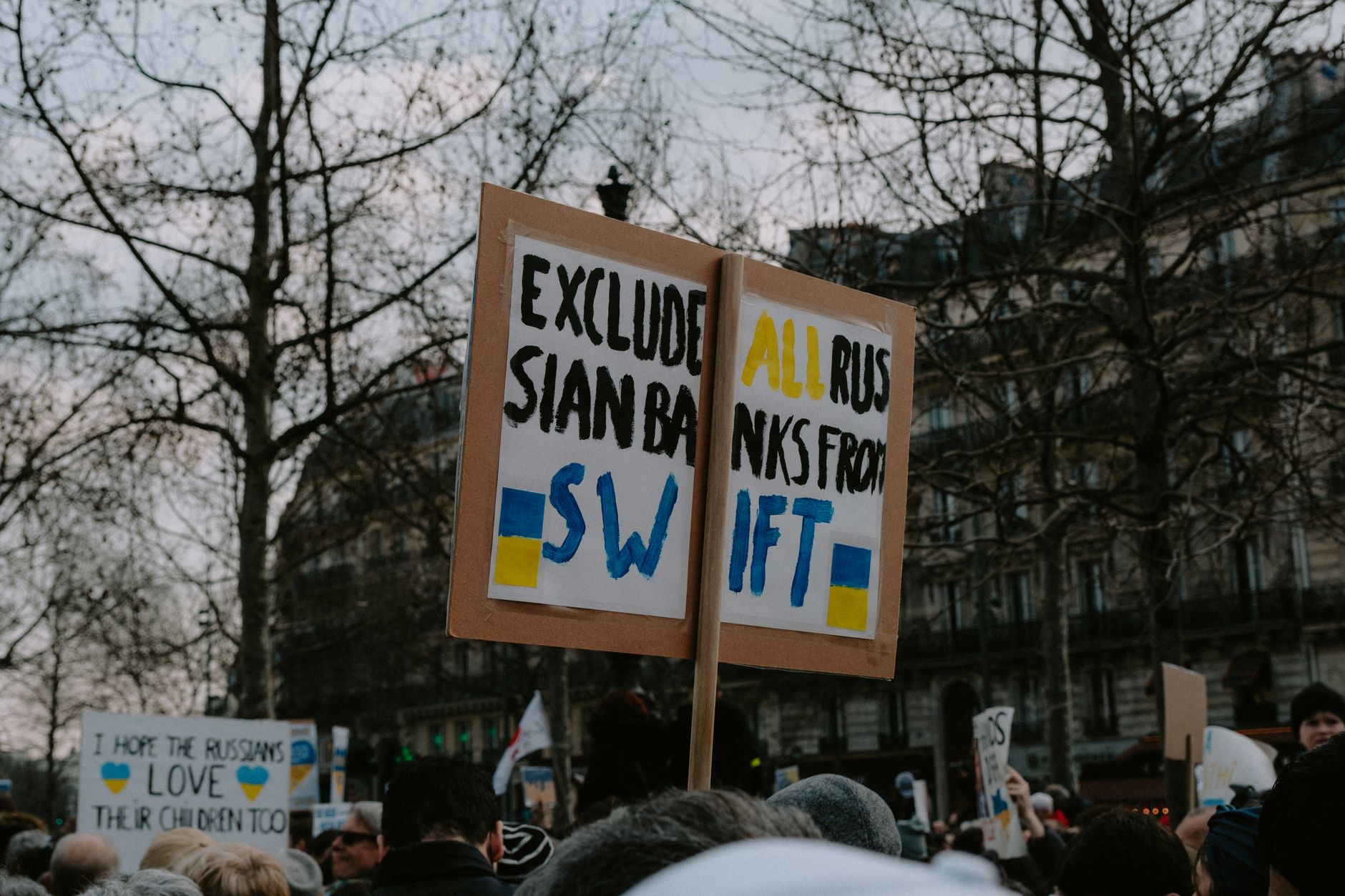
Russia sanctions waiver has become a contentious issue as Trump defends his controversial decision amidst bipartisan criticism from lawmakers.
Overview of the Russia sanctions waiver
In recent developments, the controversial Russia sanctions waiver has sparked a heated debate among lawmakers and political analysts. This waiver, which allows certain exemptions from sanctions imposed on Russia, has been defended by former President Trump as a necessary measure for diplomatic relations. However, many critics argue that this move undermines the efforts to hold Russia accountable for its actions on the global stage.
Supporters of the sanctions waiver claim that it opens pathways for dialogue and cooperation, particularly in areas like arms control and cybersecurity. They argue that engaging with Russia is vital to addressing international security challenges. However, opponents highlight that providing a waiver sends a troubling message, potentially emboldening Russia’s aggressive behavior.
Key points of contention surrounding the Russia sanctions waiver include:
- National Security Concerns: Critics argue that easing sanctions could jeopardize U.S. national security interests.
- International Relations: Lawmakers fear that this decision may alienate allies who view sanctions as essential to countering Russian influence.
- Domestic Political Fallout: The waiver has united many in Congress, leading to bipartisan criticism of Trump’s approach.
As the debate unfolds, the implications of the Russia sanctions waiver remain a focal point of discussion in U.S. foreign policy.
Key lawmakers’ responses
Key lawmakers from both parties have expressed strong opposition to President Trump’s decision regarding the Russia sanctions waiver. Their criticism centers on concerns that this move undermines U.S. foreign policy and national security. Many believe that providing a waiver could embolden Russia’s aggressive actions on the global stage.
- Senator John Smith stated, “Granting this Russia sanctions waiver sends the wrong message to our allies and adversaries alike. It suggests that we are willing to overlook serious violations.”
- Representative Jane Doe echoed these sentiments, emphasizing the importance of maintaining a united front against Russian aggression. “We cannot afford to give in to pressure that weakens our stance on international issues,” she said.
- Senator Emily Johnson warned of the potential repercussions, asserting that “this waiver could lead to increased destabilization in Eastern Europe, where Russia has already made its intentions clear.”
Lawmakers are urging the administration to reconsider its approach and to prioritize sanctions that hold Russia accountable for its actions. The bipartisan criticism reflects a growing consensus that the sanctions waiver is detrimental to U.S. interests and international stability.
Implications of Trump’s defense
In defending his decision regarding the Russia sanctions waiver, Trump emphasized the importance of diplomacy over confrontation. He argued that engaging with Russia could lead to potential breakthroughs in various global issues, including arms control and counterterrorism efforts. However, this stance has sparked significant backlash from both sides of the political aisle, as many lawmakers remain concerned about the implications of easing sanctions on Russia.
Critics argue that such a waiver undermines the efforts made to hold Russia accountable for its actions, particularly in relation to election interference and military aggression in Ukraine. The bipartisan condemnation highlights a growing unease regarding Trump’s approach to foreign policy, which some see as detrimental to U.S. interests and international stability.
Key points raised by lawmakers include:
- National Security Risks: Many legislators worry that a sanctions waiver could embolden Russia to continue its aggressive tactics without fear of repercussions.
- Undermining Allies: Detractors claim that easing sanctions sends a message of disunity to U.S. allies who rely on American leadership in global affairs.
- Domestic Perception: Critics believe the waiver could negatively affect public opinion, as citizens may view it as a betrayal of democratic values.
Historical context of sanctions
The historical context of sanctions against Russia dates back to the early 2010s, when tensions escalated over Russia’s actions in Ukraine and its interference in the U.S. electoral process. These sanctions were designed to curb Russian aggression and hold the government accountable for its actions. Over the years, numerous sanctions have been imposed targeting key sectors of the Russian economy, including finance, energy, and defense.
In 2014, the United States, alongside its allies, initiated a series of economic sanctions following Russia’s annexation of Crimea. The sanctions aimed to restrict access to international financial markets and limit the export of advanced technology to Russia. As the situation evolved, sanctions continued to expand, addressing various individuals and entities linked to the Kremlin.
Despite the long-standing bipartisan support for these measures, discussions surrounding a potential Russia sanctions waiver have surfaced, particularly under the Trump administration. Critics argue that easing these sanctions could undermine U.S. foreign policy and embolden Russia further. Such a waiver might send mixed signals to allies and adversaries alike, raising concerns about its effectiveness in deterring future aggression.
As lawmakers unite in criticism of the proposed waiver, the historical precedence of sanctions serves as a crucial reminder of the delicate balance required in international relations.
Public opinion on the waiver
Public opinion surrounding the Russia sanctions waiver has been notably critical, reflecting widespread concern regarding the implications of such a decision. Many Americans believe that granting a waiver undermines the United States’ commitment to holding Russia accountable for its actions.
A recent poll indicates that a significant majority of respondents oppose the waiver, with nearly 70% expressing that they feel it sends the wrong message to both allies and adversaries. This sentiment is echoed by various advocacy groups, which have launched campaigns urging lawmakers to reject any leniency towards Russia.
In discussions on social media, hashtags related to the waiver have surged, with users emphasizing a need for a strong stance against Russian aggression. Numerous commentators have pointed out that a sanctions waiver could embolden Russia, leading to further destabilization in global politics.
Furthermore, a bipartisan sense of disapproval has emerged, as constituents from both sides of the aisle express frustration with the potential waiver. Lawmakers have been urged to listen to their voters, as public sentiment increasingly favors maintaining stringent sanctions rather than easing them.
Ultimately, as debates continue, the Russia sanctions waiver stands as a contentious issue, highlighting a significant divide between the administration’s approach and the views of the American public.
Legal ramifications of the decision
The recent decision by President Trump to grant a Russia sanctions waiver has raised significant legal questions that may have long-lasting implications. Critics argue that this move undermines the established framework of U.S. sanctions, which were designed to deter Russian aggression and promote accountability. Legal experts are divided on whether the waiver violates existing laws or if it falls within the president’s discretionary powers.
One of the primary concerns is whether the waiver could set a precedent for future administrations, potentially allowing for selective enforcement of sanctions. This could lead to a patchwork of policies that might confuse allies and embolden adversaries. Moreover, some lawmakers are considering legislative measures to curb presidential authority in sanction waivers, arguing that Congress should have a more prominent role in such critical decisions.
Additionally, there are implications for ongoing investigations into foreign interference in U.S. elections. Granting a waiver could be perceived as an attempt to mitigate the consequences of prior actions, raising questions about the integrity of the administration’s stance on national security.
As the legal ramifications continue to unfold, it remains crucial for both lawmakers and the public to scrutinize the potential long-term effects of this controversial decision.
Future of U.S.-Russia relations
The future of U.S.-Russia relations remains uncertain following the controversial Russia sanctions waiver recently defended by President Trump. As tensions escalate, lawmakers across party lines express concern over the implications of such a decision. Many experts believe that the waiver could undermine years of diplomatic efforts aimed at curbing Russian aggression.
In light of this development, several key areas are likely to shape the trajectory of relations between the two nations:
- Diplomatic Engagement: The waiver may complicate future diplomatic negotiations, making it harder for the U.S. to leverage its position effectively.
- Military Alliances: NATO allies are likely to reassess their defense strategies, fearing that the waiver signals a shift in U.S. commitment to countering Russian expansionism.
- Economic Impact: The waiver could lead to increased economic cooperation between Russia and other nations, potentially isolating the U.S. on the global stage.
- Public Trust: Domestic support for U.S. foreign policy may wane if citizens perceive the waiver as a sign of weakness.
As the situation evolves, it is clear that the ramifications of the Russia sanctions waiver will be felt for years to come, further complicating an already fragile relationship.
The Russia sanctions waiver could undermine international efforts to hold the Kremlin accountable for its actions. Critics argue that granting a Russia sanctions waiver sends the wrong message to both allies and adversaries alike.
Photo by Mathias Reding on Pexels
References
Related reading
Legal profession advice: Clear guidance for aspiring lawyers · Russia Sanctions Trump: The Clear Impact on U.S. Policy · IDBI Bank stake sale: Right move for proven growth