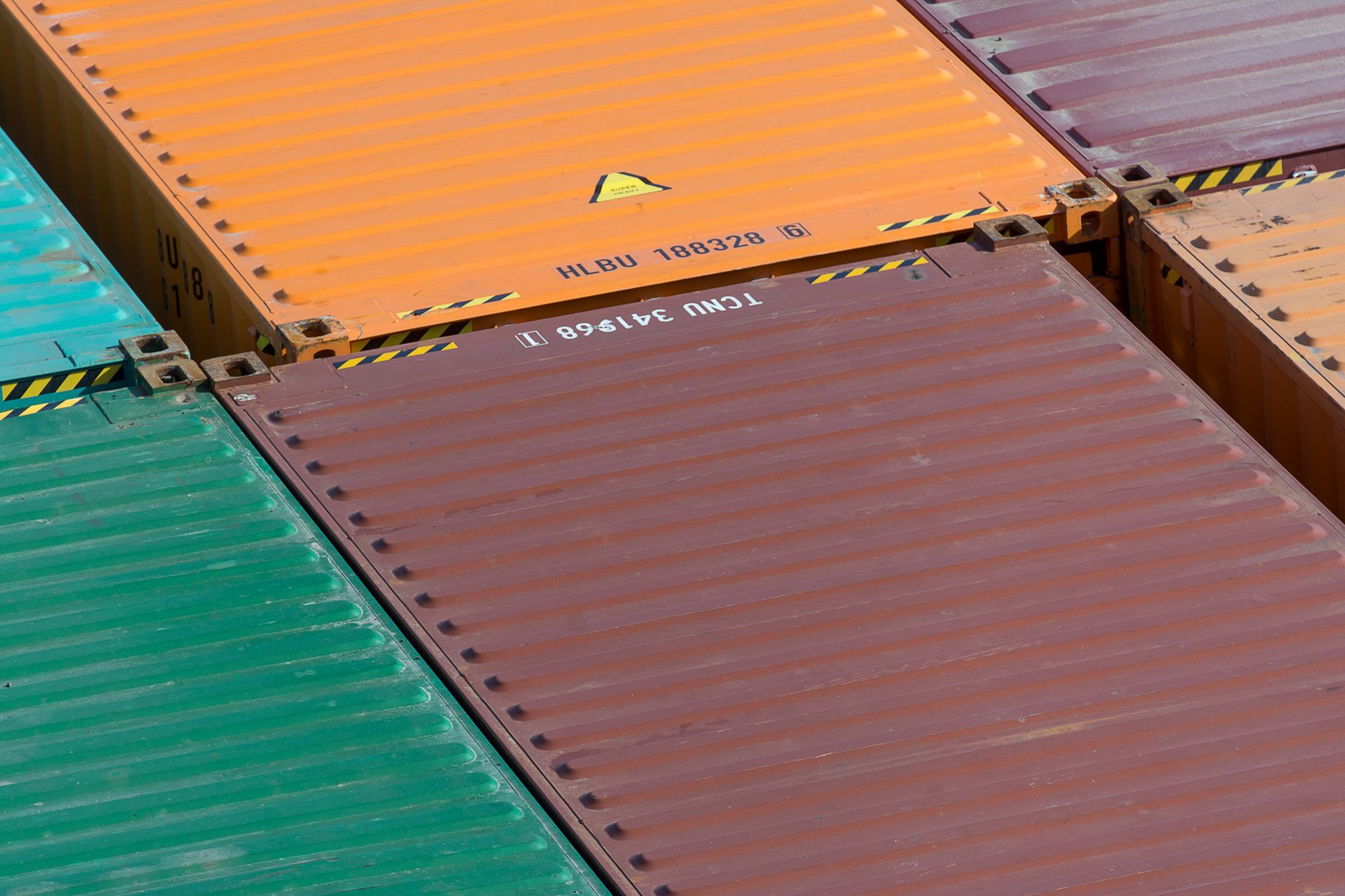

US tariffs on Canadian goods have recently taken effect, leading to new exemptions and a shift in trade dynamics between the two countries.
Understanding the New US Tariffs
The recent implementation of new US tariffs on Canadian goods has stirred significant discussion among policymakers and economists alike. These tariffs are part of a broader strategy aimed at addressing trade imbalances and protecting domestic industries. However, the real impact of these tariffs on both economies remains a topic of intense debate.
Many analysts argue that the tariffs could lead to increased costs for American consumers. As businesses face higher import prices, they may pass these costs onto customers, resulting in elevated prices for various products. The retail sector, in particular, is expected to feel the pinch as many goods sourced from Canada become more expensive.
On the other hand, some sectors may benefit from the new tariffs. American manufacturers might find themselves in a more competitive position as they face reduced competition from Canadian imports. This could potentially lead to job creation in certain industries. However, the net effect on the economy remains uncertain, with potential job losses in sectors reliant on Canadian goods.
In addition to the economic implications, there are concerns about the political ramifications of these tariffs. Trade relations between the US and Canada have historically been strong, and disruptions could lead to long-term consequences. Stakeholders from both countries are closely monitoring the situation as the effects of these new tariffs unfold.
Exemptions and Their Impact
The recent implementation of US tariffs on Canadian goods has sparked discussions about the associated exemptions and their potential impact on trade relations. Exemptions can play a critical role in mitigating the effects of these tariffs, allowing certain products to enter the US market without the additional financial burden.
Several key exemptions have been identified, which include:
- Raw materials: Essential components for manufacturing processes are often exempt, ensuring that industries can maintain production levels.
- Specific consumer goods: Items like certain electronics and clothing may qualify for exemptions, helping to keep prices stable for US consumers.
- Critical agricultural products: Certain agricultural goods may also see exemptions, which can ease the strain on supply chains.
However, the impact of these exemptions is twofold. While they can alleviate some economic pressure on both countries, there are concerns about the overall effectiveness of the tariff structure. Many Canadian businesses worry that the complexity of navigating these exemptions could lead to increased costs and delays.
In conclusion, while US tariffs on Canadian goods may have exemptions that soften the blow, the long-term implications for trade dynamics remain uncertain, prompting calls for clearer guidelines and a more streamlined process for affected industries.
Legal Ramifications of Tariff Changes
The recent changes to US tariffs on Canadian goods have sparked a complex legal landscape that businesses must navigate. As these tariffs come into effect, companies are beginning to understand the potential legal ramifications associated with compliance and enforcement.
One of the primary concerns is the risk of litigation. Companies affected by the new tariffs may seek legal recourse to challenge the decisions made by the US government. This could result in:
- Increased Legal Costs: Businesses may need to invest in legal counsel to address disputes arising from the tariffs.
- Trade Agreements Review: Companies will likely need to revisit existing trade agreements, ensuring they are in line with the new tariff framework.
- Potential for Retaliation: Canadian exporters may also respond with their own legal challenges, leading to a cycle of disputes.
Moreover, changes in tariffs can influence interpretations of existing trade laws. Legal experts suggest that the evolving nature of these tariffs may create precedents that impact future trade relations between the two countries.
As the situation develops, businesses relying on cross-border trade must stay informed and prepared to adapt their strategies to mitigate any legal implications arising from the new tariff regime.
Trade Relations Between US and Canada
The trade relations between the US and Canada have long been characterized by a complex interplay of cooperation and competition. With the recent imposition of US tariffs on Canadian goods, this relationship is facing new challenges that could have far-reaching implications for both economies.
These tariffs are expected to affect various sectors, including:
- Manufacturing: Increased costs for producers relying on Canadian materials may lead to higher prices for consumers.
- Agriculture: Canadian farmers exporting goods to the US could encounter barriers that reduce their competitiveness.
- Energy: The energy sector, crucial for both nations, may see shifts in trade patterns as tariffs alter the cost dynamics.
Despite these challenges, both countries recognize the importance of maintaining a strong trading partnership. Policymakers are considering negotiations to mitigate the impact of these tariffs, as they understand that a collaborative approach may yield better outcomes for industries affected by the new regulations.
In summary, while the US tariffs on Canadian goods may pose immediate obstacles, the long-term effects on trade relations will depend on how both nations navigate this evolving landscape.
US tariffs on Canadian goods have led to increased prices for consumers across various sectors. As businesses adjust to the new trade landscape, the long-term effects of US tariffs on Canadian goods are beginning to unfold.
Photo by Markus Winkler on Pexels